
A heat exchanger is used to cool wort after boiling, and it is one of the most important stages in the beer brewing process. Proper wort cooling not only affects fermentation performance, but also has a direct impact on beer flavor, clarity, and product stability. Therefore, brewers should pay close attention to the operation and maintenance of the heat exchanger during daily production.
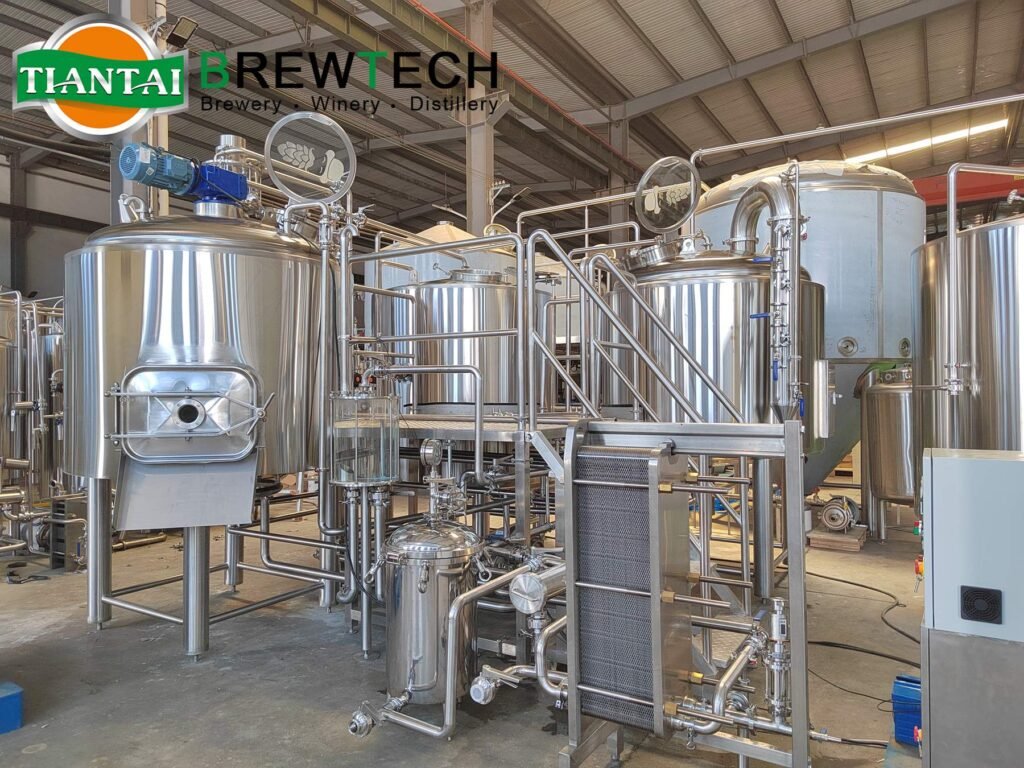
Below are several important points to note when using a plate heat exchanger in a brewery:
1. Sterilization Before Wort Cooling
Before cooling the wort, it is very important to sterilize the wort pipeline and the wort route inside the heat exchanger. Normally, brewers recycle hot water with a temperature higher than 80°C through the entire wort line and heat exchanger for at least 30 minutes. This process helps eliminate bacteria and reduces the risk of contamination during fermentation.
After sterilization, the remaining hot water inside the pipeline should be pushed out by the incoming wort before transferring the wort into the fermenter. Proper sanitation is essential for maintaining beer quality and preventing off-flavors caused by microbial infection.
2. Monitor Temperature During Cooling
During the wort cooling process, brewers should carefully monitor both the wort temperature and the glycol water temperature. By adjusting the valves and controlling the flow rate of wort and cooling media, it is possible to maintain a stable outlet wort temperature.
Generally, the fluctuation should remain within ±0.5°C of the target fermentation temperature. Stable cooling temperature is very important because sudden temperature changes may affect yeast activity and fermentation performance.
3. Keep Cooling Time Short
The wort cooling time should ideally be less than 60 minutes. Long cooling times may negatively affect wort flavor and increase the possibility of contamination.
Fast cooling helps improve cold break formation, reduces oxidation risk, and provides a better environment for healthy yeast fermentation. Efficient heat exchange is especially important for breweries producing high-quality craft beer.
4. Regular Cleaning and Maintenance
The plates inside the heat exchanger should be cleaned regularly to remove protein deposits, hop residue, and other solidified materials. If the plates are not cleaned properly, the buildup will reduce heat transfer efficiency and may even block the flow channels.
Most breweries perform CIP (Clean-In-Place) cleaning after brewing to maintain stable performance and extend the service life of the heat exchanger.
5. Control Working Pressure
The maximum working pressure of a plate heat exchanger is normally 1 MPa. There is usually a pressure difference between the wort side and the cooling water side. Under normal operating conditions, the pressure should remain around 0.2–0.4 MPa.
Excessive pressure differences may deform the stainless steel plates and damage the sealing gaskets. Therefore, brewers should always keep the system pressure within a safe and stable range.
A properly operated and maintained heat exchanger can significantly improve brewing efficiency and beer quality. Regular inspection, cleaning, and careful temperature control are key factors for successful brewery operation.
Abby
Project Manager of Tiantai Company
Email: gbrew@cnbrewery.com