
Wort preparation is a key step in the beer brewing process, and both raw materials and the mashing process have a direct impact on wort quality.
In practical brewery production, malt quality may vary from batch to batch. If the mashing process is not adjusted accordingly, it may result in unstable wort performance and inconsistent beer quality.
This article introduces several common malt conditions and corresponding mashing process adjustment methods for reference in brewery operations.
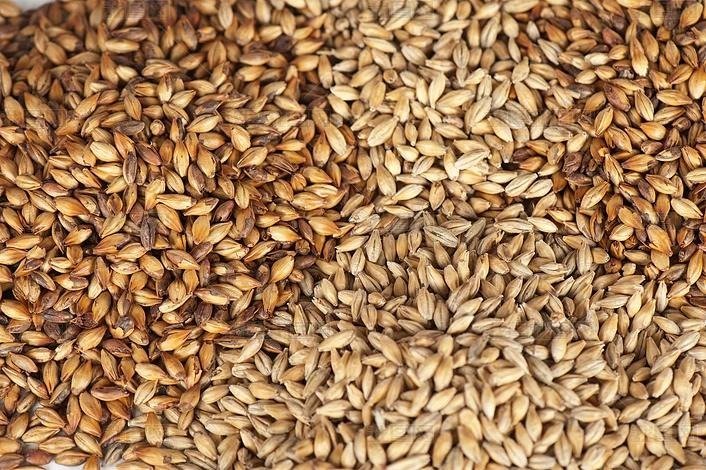
Malt with Hard Endosperm and Poor Modification
Some malt may have a higher proportion of glassy endosperm, harder kernels, and lower modification level. In this case, starch and protein breakdown is not sufficient.
Adjustment method:
- Use a low-temperature pre-rest at 35–38°C for 20–30 minutes
- Add dextranase if necessary to improve wort filtration
- Raise temperature to 45°C for protein rest
- Extend protein rest slightly depending on malt condition
Purpose:
Improve protein breakdown and enhance extract efficiency.
Malt with Loose Endosperm and Low Mashing Power
When malt has relatively loose structure but low enzymatic conversion efficiency, saccharification performance may be unstable.
Adjustment method:
- Use a two-step mashing process
- Maintain 63–65°C for 30 minutes
- Raise to 70°C and hold for 30–45 minutes
- Add α-amylase or diastatic enzyme if needed
Purpose:
Increase fermentable sugar content and improve extract yield.
Malt with Poor Protein Solubility and Low FAN
Low free amino nitrogen (FAN) may affect yeast nutrition and fermentation performance.
Adjustment method:
- Adjust mash pH to 5.2–5.4
- Maintain liquor-to-grist ratio below 3.5:1
- Extend protein rest time
- Control temperature at 45–50°C during protein rest
Purpose:
Improve protein breakdown and provide sufficient yeast nutrition.
Malt with Moderate Enzyme Activity but Low Extract Efficiency
Some malt may still have acceptable enzyme activity but poor extract performance during lautering.
Adjustment method:
- Control mash pH at 5.5–5.7
- Maintain saccharification temperature at 68–70°C
- Strengthen α-amylase activity if necessary
Purpose:
Improve starch conversion efficiency and increase wort yield.
Malt with Generally Poor Quality Indicators
When malt quality is unstable or below standard, multiple adjustment methods may be required.
Adjustment method:
- Blend with well-modified malt
- Apply low-temperature mashing strategy
- Use step mashing process
- Add enzyme preparations when necessary
Purpose:
Stabilize wort quality and reduce brewing risk.
Malt quality has a direct influence on wort production and fermentation performance. Adjusting the mashing process according to different malt conditions helps brewers achieve more stable wort quality and consistent beer production results.
For breweries using different raw material qualities, flexible control of temperature, pH, enzyme addition, and mashing stages is essential to ensure brewing stability.
If you are experiencing challenges with malt quality, mashing control, or brewery process optimization, feel free to contact Tiantai Brewtech.
Our team can provide complete brewery equipment solutions, including brewhouse systems, mash tuns, and process optimization support for your brewing project.
👤 Cassie
📧 tiantaibrewery@cnbrewery.com