
When building a brewery cooling system, one important component that is sometimes overlooked is the glycol piping network. The glycol pipeline is responsible for transferring chilled glycol throughout the system and maintaining stable fermentation and storage temperatures.
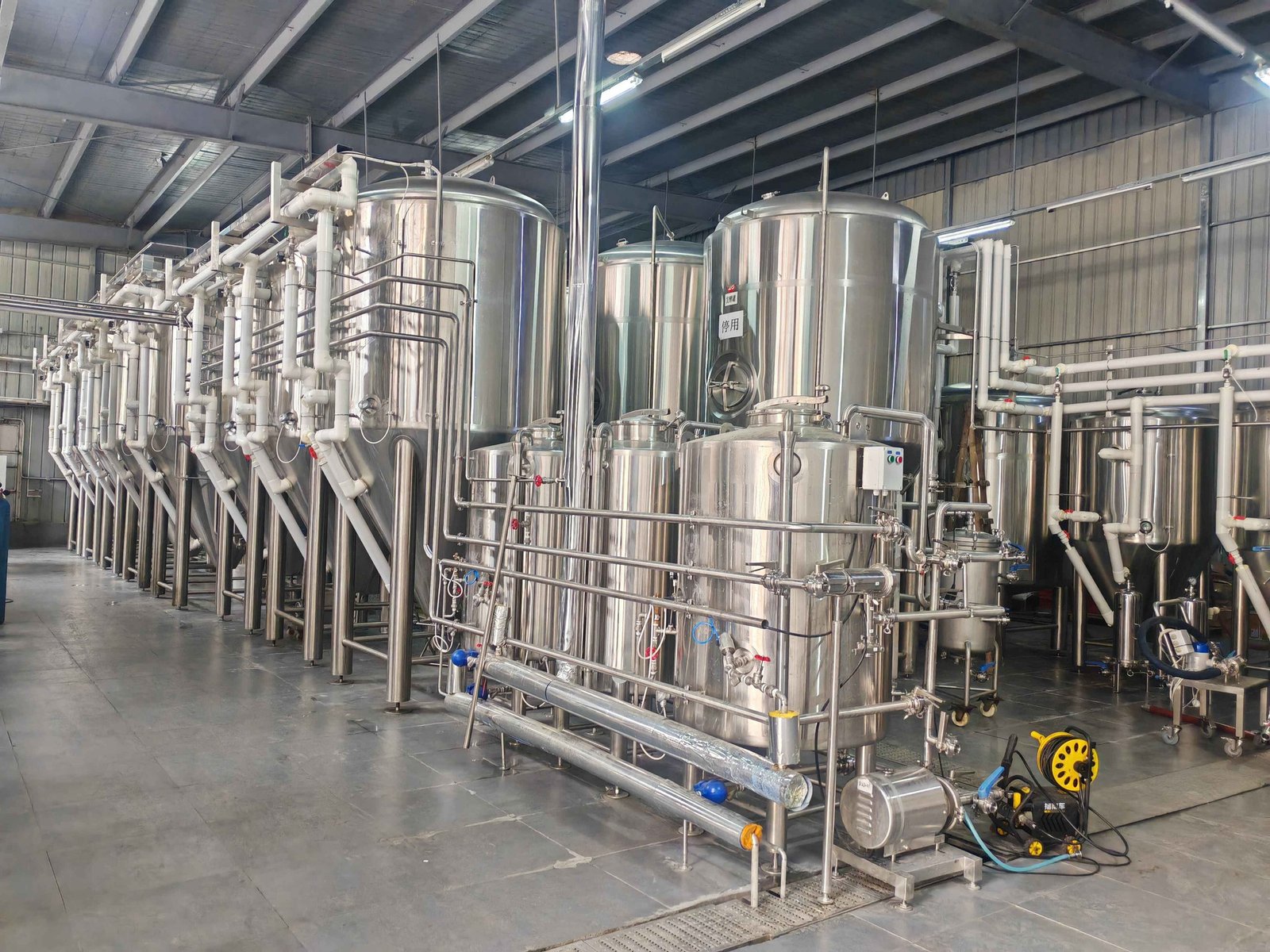
Selecting the right piping material can affect installation costs, cooling efficiency, system flexibility, and long-term maintenance requirements. This article compares three common glycol piping options used in breweries: stainless steel piping, PPR piping, and PPR + PEX mixed piping.
Stainless Steel Glycol Piping
Advantages
Excellent Corrosion Resistance
Stainless steel offers outstanding resistance to corrosion and can withstand long-term exposure to glycol solutions and brewery cleaning chemicals.
High Strength and Durability
Stainless steel piping can handle high pressure and temperature fluctuations, making it suitable for demanding brewery environments.
Long Service Life
With proper maintenance, stainless steel piping can last for decades, reducing replacement and maintenance costs over the lifetime of the brewery.
Reliable Installation
Stainless steel pipes can be welded, threaded, or flanged to create secure and leak-free connections.
Disadvantages
Higher Initial Investment
Compared with PVC, PPR, or other plastic piping materials, stainless steel requires a higher upfront investment.
Heavier Weight
The increased weight may require additional supports and can make transportation and installation more labor-intensive.
Less Flexible for Future Modifications
Stainless steel systems typically require on-site welding when layout changes are needed, making future expansion or modifications more complex.
PPR Glycol Piping
Advantages
Corrosion Resistance
PPR (Polypropylene Random Copolymer) piping is highly resistant to corrosion and is well suited for glycol cooling applications.
Easy Installation
Due to its lightweight construction, PPR piping is easy to transport, cut, and install. Connections are made through heat fusion, creating reliable joints.
Low Thermal Conductivity
PPR naturally reduces heat transfer, helping minimize cooling losses and improve system efficiency.
Long Service Life
PPR piping can withstand pressure fluctuations and normal operating temperatures found in brewery glycol systems.
Disadvantages
Limited Temperature Range
PPR piping is generally recommended for applications below 90°C and is not suitable for high-temperature systems.
Moderate Material Cost
While more affordable than stainless steel, PPR may still cost more than some alternative plastic piping options.
PPR + PEX Mixed Piping System
A combination of PPR main pipelines and flexible PEX branch lines is commonly used in small and medium-sized breweries.
Advantages
Suitable for Limited Installation Space
PEX tubing is flexible and can easily be routed around equipment and obstacles, making it ideal for compact brewery layouts.
Simple Installation
The flexibility of PEX allows faster installation and easier connection to tanks and cooling components.
Cost-Effective Solution
Combining PPR and PEX materials can significantly reduce installation costs while maintaining good cooling performance.
Disadvantages
Limited Size Options
PEX tubing may not be available in larger diameters required for some brewery applications.
Not Recommended for Large Systems
This solution is generally best suited for breweries smaller than approximately 1,500L brewhouse capacity. Larger systems often benefit from more robust piping designs.
Which Glycol Piping Material Is Best?
The ideal glycol piping material depends on your brewery size, budget, installation conditions, and future expansion plans.
- Stainless Steel Piping is often preferred for larger commercial breweries that require maximum durability and a professional appearance.
- PPR Piping offers a balance between performance, cost, and ease of installation.
- PPR + PEX Systems are commonly chosen for smaller breweries where flexibility and lower installation costs are priorities.
When designing a brewery cooling system, it is important to consider not only the initial investment but also long-term maintenance, expansion possibilities, and overall operating efficiency.
A properly designed glycol piping system plays an important role in maintaining stable fermentation temperatures and ensuring consistent beer quality. Choosing the right piping material can improve cooling performance, simplify installation, and reduce long-term operating costs.
If you are planning a new brewery project or upgrading an existing cooling system, Tiantai Brewtech can provide complete brewery equipment solutions, including glycol chillers, fermentation tanks, glycol piping systems, and turnkey brewery designs.
Feel free to contact us to discuss your brewery project and find the most suitable cooling solution for your needs.
👤 Cassie
📧 tiantaibrewery@cnbrewery.com