
In modern brewing, the beer fermentation tank is one of the most important pieces of equipment. While different materials have been used historically, stainless steel has become the industry standard for breweries of all sizes.
From small craft operations to large commercial facilities, nearly every professional beer fermentation tank today is made from stainless steel. But what makes this material so widely preferred?
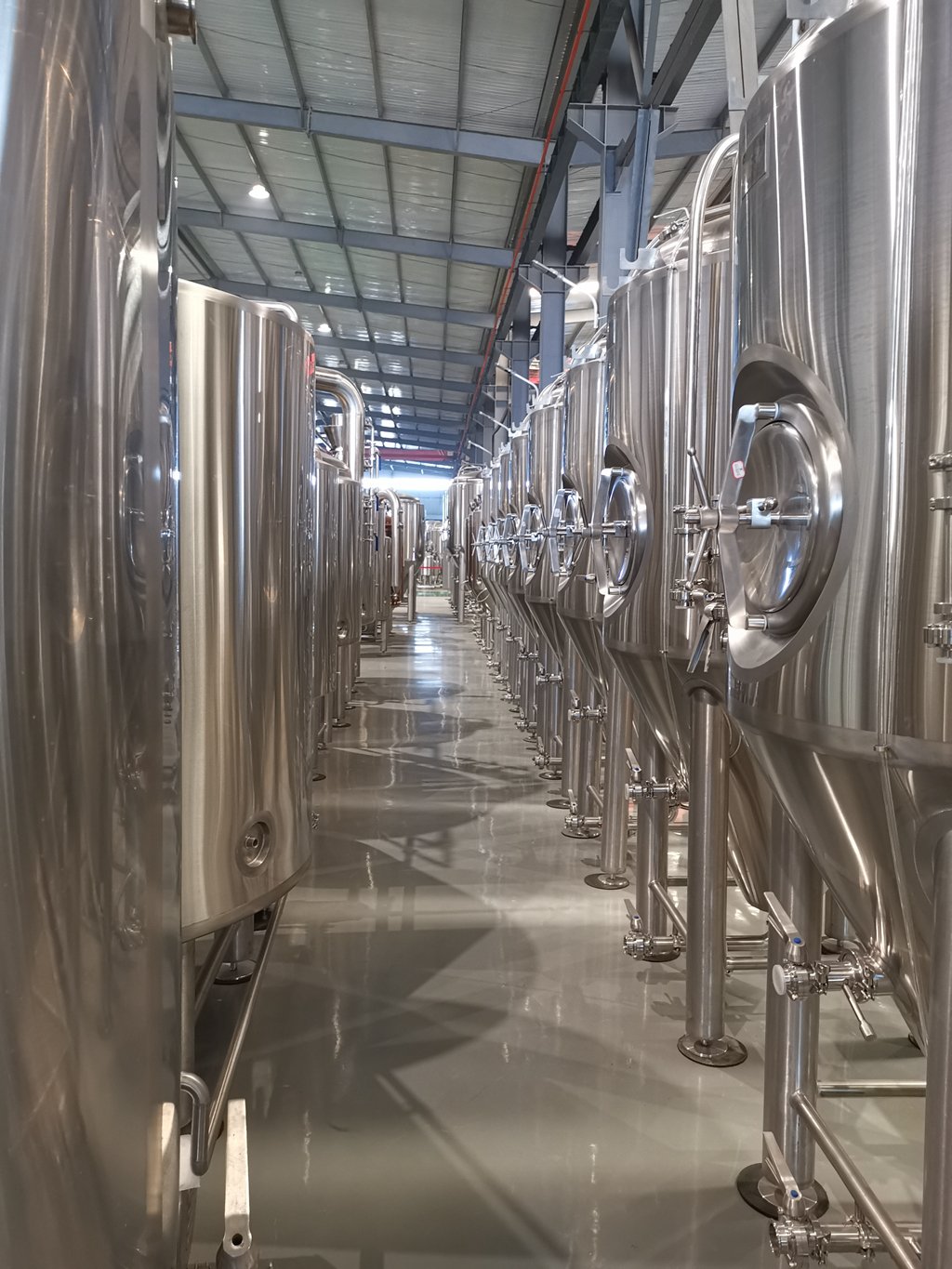
Excellent Corrosion Resistance
A beer fermentation tank is constantly exposed to liquid, pressure, cleaning chemicals, and temperature changes. Over time, these conditions can damage low-quality materials.
Stainless steel, especially SUS304, offers excellent resistance to:
- Corrosion from acidic beer
- Cleaning chemicals used in CIP systems
- Moisture and environmental exposure
This ensures that the tank maintains its structural integrity and appearance over many years of use.
Food-Grade Safety and Hygiene
Hygiene is critical in any beer fermentation tank, and stainless steel provides a safe and reliable solution.
High-quality stainless steel is:
- Non-reactive with beer
- Free from harmful coatings or residues
- Suitable for food and beverage production
In addition, stainless steel surfaces can be polished to a very smooth finish, which helps prevent bacteria buildup.
When combined with proper surface treatment, such as polishing to Ra 0.2–0.4 μm, stainless steel tanks offer excellent sanitary performance.
Easy Cleaning and Maintenance
Cleaning efficiency is a key factor in brewery operations. A stainless steel beer fermentation tank is ideal for CIP (clean-in-place) systems.
Benefits include:
- Smooth surface for easy residue removal
- Compatibility with high-temperature cleaning (40–70°C)
- Reduced cleaning time and labor
Compared to other materials, stainless steel significantly improves cleaning consistency and reduces the risk of contamination.
Strong and Durable Structure
A beer fermentation tank must withstand pressure, weight, and repeated use. Stainless steel provides the strength needed for long-term operation.
Typical advantages:
- High mechanical strength
- Resistance to deformation under pressure
- Long service life
This is especially important for conical tanks, where structural stability directly affects performance and safety.
Compatibility with Advanced Tank Design
Modern beer fermentation tank systems include features such as:
- Cooling jackets
- Pressure control systems
- Automated valves and sensors
Stainless steel is highly compatible with these designs. It can be easily welded, formed, and integrated with other components, allowing manufacturers to build more advanced and reliable tanks.
👉 For more on design features, see:
Beer Fermentation Tank Design: Key Features Every Brewer Should Know
Long-Term Cost Efficiency
Although stainless steel tanks may have a higher initial cost, they offer better value over time.
A stainless steel beer fermentation tank provides:
- Lower maintenance costs
- Longer lifespan
- Reduced risk of contamination-related losses
This makes it a more economical choice in the long run, especially for breweries planning to scale production.
Consistent Beer Quality
Material choice can directly influence beer quality. A stainless steel beer fermentation tank ensures:
- No unwanted flavors from material interaction
- Stable fermentation environment
- Consistent results batch after batch
For breweries focused on brand reputation and product consistency, this reliability is essential.
Industry Standard Across Breweries
Today, stainless steel is the default choice for nearly all professional beer fermentation tank applications.
Whether it is a small craft brewery or a large industrial facility, stainless steel tanks are trusted for their:
- Hygiene
- Durability
- Performance
Manufacturers like TIANTAI use high-quality stainless steel combined with advanced fabrication techniques to deliver tanks that meet global brewing standards.
Final Thoughts
The widespread use of stainless steel in beer fermentation tank design is no coincidence. Its combination of hygiene, durability, and long-term value makes it the ideal material for modern brewing.
For any brewery looking to invest in reliable equipment, stainless steel remains the most practical and proven choice.
🔗 Related Reading
- Beer Fermentation Tank Design: Key Features Every Brewer Should Know
- Common Problems in Beer Fermentation Tanks and Solutions
- How to Choose the Right Beer Fermentation Tank Size
If you are evaluating different materials for your beer fermentation tank or planning a new brewery project, TIANTAI can provide professional guidance and high-quality stainless steel solutions tailored to your needs.
Edit by Jane
Sales/Project Manager
E: gbrewing@cnbrewery.com