
Conical fermenters are popular with home brewers and commercial brewers alike. They come in all shapes, sizes and materials, but they all have one thing in common – they provide an efficient and effective method of fermenting beer.
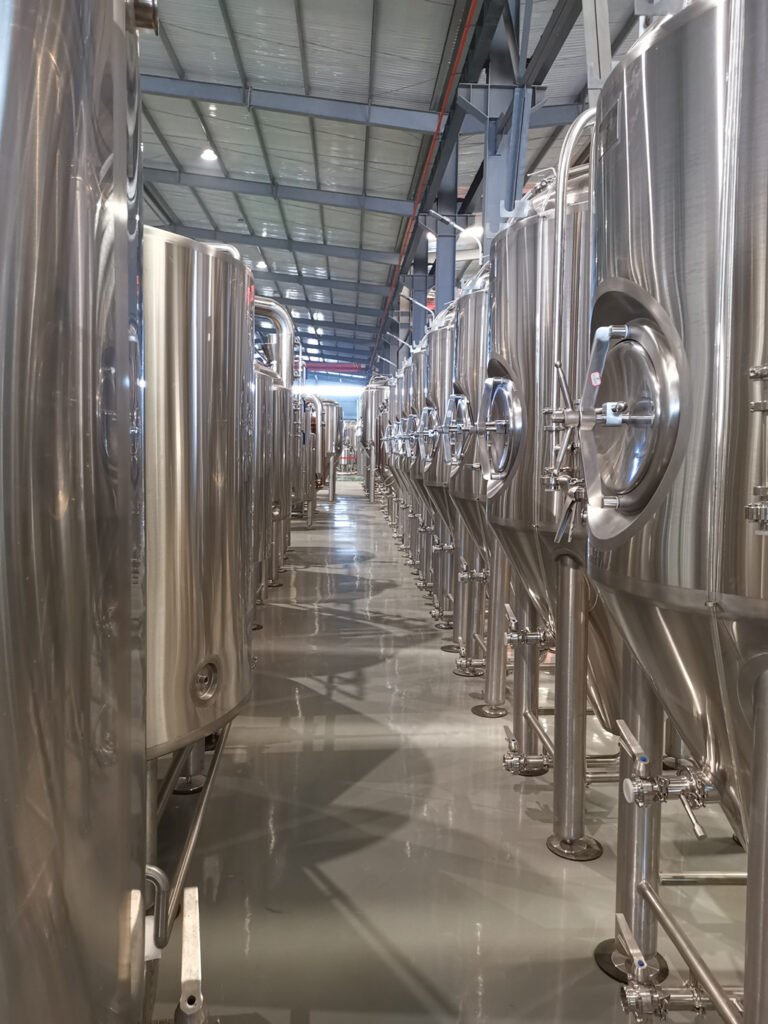
Proper use of a fermenter is crucial to ensuring the success of the fermentation process and the quality of the final product. In this article, micet group will discuss the steps involved in using a fermenter.
Preparation
The first step in using a fermenter is to ensure that it is clean and sanitized. Any residual bacteria or other contaminants can interfere with the fermentation process, leading to off-flavors or spoilage.
1.to clean
To clean the fermenter, use a mild detergent and warm water to scrub the interior and exterior of the vessel, paying particular attention to any nooks and crannies where bacteria might hide. Rinse the fermenter thoroughly with hot water to remove any soap residue.
2.disinfect
To sanitize the fermenter, use a solution of food-grade sanitizer and water, following the manufacturer’s instructions for dilution and contact time.
Many models include automatic CIP (cleaning in place) systems, allowing brewers to sanitize tanks without having to disassemble them each time cleaning is required.
Inoculation
Once the fermenter is clean and sanitized, it is ready to be inoculated with the fermentation culture. This could be a yeast strain for beer or wine, or a bacterial culture for other types of fermentation. Follow the instructions provided with the culture to determine the appropriate amount to add to the fermenter.
In general, the culture should be added to the fermenter along with the wort or other substrate to be fermented. The temperature of the substrate should be in the appropriate range for the culture being used. For example, most beer yeasts ferment best at temperatures between 60 and 70 degrees Fahrenheit.
Fermentation
Fermentation is the process whereby “sugars” are converted by yeast to alcohol, carbon dioxide, and heat. In the brewing of most traditional beer, the sugars are derived mainly from malted barley, although other cereal sources and other plant sugars can also be used. The rate of fermentation will depend on a number of factors, including the type of culture used, the temperature of the substrate, and the sugar concentration of the substrate.
To monitor the progress of fermentation, take regular gravity readings using a hydrometer. The gravity reading will give an indication of how much sugar is remaining in the substrate and how much alcohol has been produced. As fermentation proceeds, the gravity reading will decrease, and the alcohol content will increase. Once the gravity reading stabilizes, fermentation is complete.
Conditioning
After fermentation is complete, the beer or wine should be allowed to condition in the fermenter for a period of time. This allows any residual yeast or other sediment to settle out, improving the clarity of the final product.
Conditioning time will depend on the type of beer or wine being produced, as well as the desired level of carbonation. In general, most beers will require several days to a week of conditioning, while wines may require several months.
Packaging
Once conditioning is complete, the beer or wine is ready to be packaged. This could involve bottling, kegging, or other methods of storage. In general, beer and wine should be packaged in a way that minimizes exposure to oxygen, which can lead to off-flavors and spoilage. Use clean, sanitized equipment for packaging, and follow standard sanitation procedures throughout the process.
Conclusion
Using a fermenter is a key step in the production of beer, wine, and other fermented products. By following the steps outlined above, you can ensure that your fermentation process proceeds smoothly and that the final product is of the highest quality. With a little practice and attention to detail, You can follow micet craft become an expert in using fermenters and producing your own delicious beers and wines.
Project Manager:Abby Wang
Email: gbrew@cnbrewery.com