
Cold Beer? Warm Beer? Select the Right Serving Temperature.
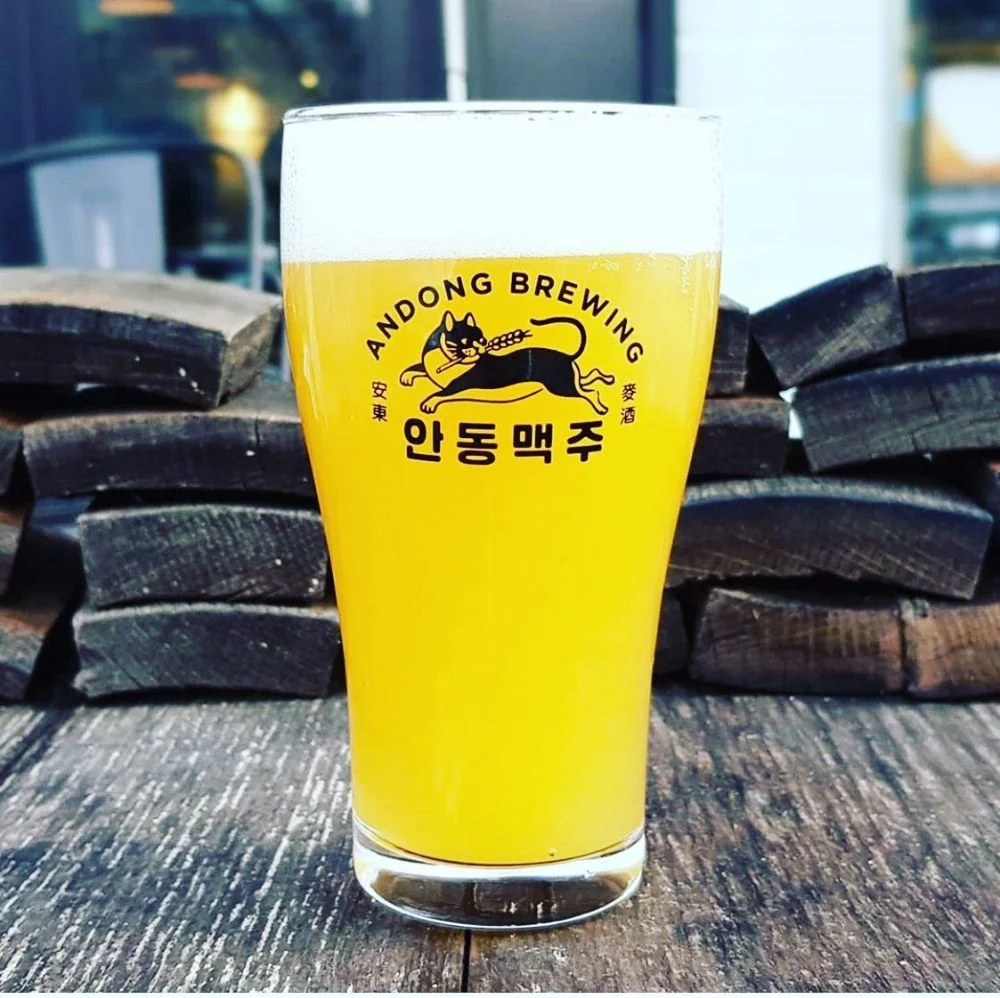
When it comes to craft ales and lagers, there really is no good one-size-fits-all temperature. And even if there were, it probably wouldn’t be ice cold.
If Super Bowl ads, bar signs, and country songs are to be believed, Americans love their beer “ice cold.” After all, you can’t very well have a summertime backyard barbecue without an ice-filled cooler of longneck bottles and cans, can you? And beer always tastes best in a frosty mug, right?
Well, yes and no. If your predilections lean toward mass-produced lagers with the word “lite” somewhere in the name, then yes, you definitely want to keep those things as cold as the natural laws of the universe will permit. But when it comes to craft ales and lagers, including most homebrew, there really is no good one-size-fits-all temperature. And even if there were, it probably wouldn’t be ice cold.
Temperature, you see, has a profound effect on our taste buds. The chemical compounds that are responsible for the myriad aromas and flavors we love in our beer are variously activated and suppressed according to temperature. Warmth usually makes a flavor more perceptible, while cold tends to suppress it. Choosing just the right temperature ensures that these constituent chemicals remain properly in balance as you enjoy your craft beer or homebrew.
Take sweetness, for example. In a 2005 article in Nature (“Heat Activation of TRPM5 Underlies Thermal Sensitivity of Sweet Taste”), researchers identified how chemical pathways in the tongue’s taste receptors vary with temperature. The upshot of the study is that increasing the temperature of a food or beverage strengthens the electrical signals that tell the brain what you’re tasting. But some kinds of taste respond differently than others, which is why an ice cold stout is likely to taste harshly bitter while a somewhat warmer sample expresses a balance between malt sweetness and roast bitterness.
You intuitively know this. There’s a reason we enjoy our coffee hot, our red wine room temperature, and our white wine cold. And the same is true for beer. Different styles of beer taste better to most people at different temperatures. Here are some general guidelines:
35–40°F (2–4°C): Mass market light lagers
40–45°F (4–7°C): Czech and German Pilsners, Munich Helles, wheat beers, and Kölsch
45–50°F (7–10°C): IPAs, American pale ales, porters, and most stouts
50–55°F (10–13°C): Belgian ales, sour ales, Bocks, English bitters and milds, Scottish ales
55–60°F (13–16°C): Barleywines, imperial stouts, Belgian strong ales, and Doppelbocks
When in doubt remember this rule of thumb: light body and low alcohol beer tastes better cold while full body and high alcohol examples are better warmer.
Whether you bottle or keg your homebrew, it’s unlikely that you’ll devote different refrigerators to different styles. So the easiest thing to do to enjoy a pint at its best is to pour your beer and let it warm to your liking before you dig in.
Edite By Abby
Project Manager in Tiantai Company
Email: gbrew@cnbrewery.com