
When it comes to beer production, the brewing process is only half the journey. The moment your beer is brewed, the next crucial step is packaging. The equipment used to fill, seal, and store your beer plays a significant role in preserving its taste and extending its shelf life. Whether you’re producing craft beer, lager, ale, or any other type of beer, the right filling equipment is essential to maintain both the flavor and freshness your customers expect.
In this article, we will explore how beer filling equipment ensures the taste and shelf life of beer, focusing on key features and considerations when choosing the best filling solutions for your brewery.
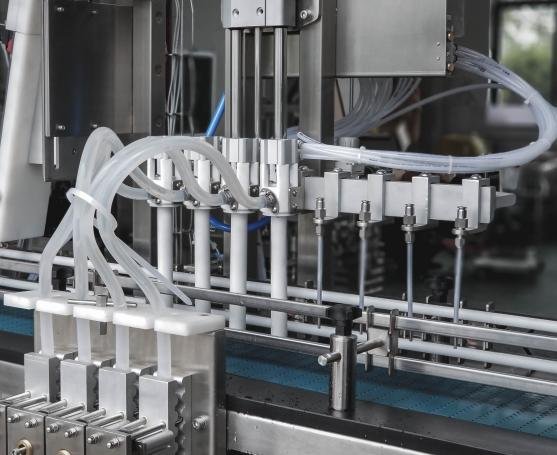
1. The Importance of Packaging in Beer Production
Beer is a delicate product. The brewing process, which involves fermentation, temperature control, and careful handling, culminates in a beverage that needs to be handled with care to ensure it reaches the consumer in its best possible form. Packaging, especially filling equipment, is where many breweries face challenges in preserving beer’s delicate taste.
The primary goal of packaging is to protect the beer from external contaminants, such as oxygen, light, and bacteria, which can spoil the beer and compromise its taste. Filling equipment that works effectively to seal beer containers, control pressure, and minimize exposure to contaminants is key to ensuring the beer tastes as intended and retains its quality during storage.
2. The Role of Beer Filling Equipment in Taste Preservation
The preservation of taste begins right at the filling stage. Here’s how various features of beer filling equipment help preserve the beer’s taste:
a. Oxygen Reduction
Oxygen is one of the primary enemies of beer’s taste and freshness. When beer comes into contact with oxygen, it begins to oxidize, leading to off-flavors such as a stale or cardboard-like taste. This process occurs especially rapidly during the filling and sealing stage.
Modern beer filling equipment, such as counter-pressure fillers, is designed to minimize oxygen exposure. Counter-pressure filling involves pressurizing the bottle or can with CO2 before filling, ensuring that the beer remains under pressure throughout the process. This creates an oxygen-free environment inside the bottle or can, preserving the beer’s natural flavors.
b. Temperature Control During Filling
Beer’s taste is also highly influenced by temperature. If the beer is filled at too high a temperature, it may foam excessively, which can cause oxidation. Conversely, if it’s filled at too low a temperature, it can cause the beer to lose carbonation or become cloudy.
Advanced beer filling machines are equipped with temperature control systems that ensure beer is filled at the ideal temperature. Typically, the ideal filling temperature for beer is between 0°C and 5°C (32°F to 41°F), which helps retain carbonation and flavor while minimizing foaming.
c. Avoiding Light Exposure
Light exposure can lead to ‘skunky’ flavors in beer, especially in light-colored beers such as pilsners or lagers. Ultraviolet (UV) rays can break down hop compounds and create unpleasant flavors. To combat this, breweries often use amber or dark bottles or cans to block light. However, ensuring that the beer is never exposed to light during the filling process is equally important.
High-quality beer filling machines are designed to prevent light exposure by utilizing fully enclosed filling systems, reducing the chance of beer being exposed to light during the transfer process. This ensures that the beer reaches consumers without any risk of light-induced flavor degradation.
3. Enhancing Shelf Life Through Effective Sealing
Effective sealing is essential to the shelf life of beer. Proper seals prevent contaminants, such as bacteria, air, and moisture, from entering the container and compromising the beer’s quality. Good sealing also ensures that carbonation levels are maintained over time, keeping the beer fresh and fizzy.
a. Airtight Sealing
One of the most important features of beer filling equipment is its ability to create an airtight seal on bottles, cans, or kegs. Airtight seals prevent oxygen from entering the container, reducing the risk of oxidation and prolonging the beer’s shelf life. When oxygen is kept out, the beer’s carbonation and freshness are maintained, ensuring the beer stays fizzy and flavorful.
b. CO2 Purging
Many modern beer filling machines also include a CO2 purging function. Before the beer is filled into bottles or cans, CO2 is used to purge any air that might be present in the container. This step further reduces the chance of oxygen entering the beer during the filling process, enhancing both its taste and shelf life.
c. Pressure Control
Maintaining proper pressure inside the filled container is crucial for both taste and shelf life. If the pressure inside a beer container is too high or too low, it can result in excess foaming, which leads to oxidation, or flat beer, which lacks carbonation.
Most beer filling equipment, such as those with counter-pressure or rotary filling technology, ensures that the pressure is consistent and controlled during the filling and sealing process. This maintains the beer’s effervescence and flavor profile, while also helping to preserve its quality over time.
4. The Impact of Filling Speed on Quality
Filling speed is an important factor to consider when choosing beer filling equipment. High-speed filling machines are designed to process large volumes of beer quickly, which is important for meeting market demand. However, the speed at which beer is filled can sometimes compromise quality if not managed properly.
Filling at high speeds can result in more foaming, which increases the risk of oxygen exposure and can lead to over-carbonation or inconsistent carbonation levels in the finished product. Slower filling speeds, on the other hand, can ensure a more controlled filling process, reducing foaming and minimizing the risk of contamination or oxidation.
Many modern filling machines offer adjustable filling speeds, allowing breweries to find the optimal speed for their specific beer type and production needs. This ensures that the filling process is efficient without sacrificing quality.
5. Types of Beer Filling Equipment and Their Role in Preservation
There are various types of beer filling machines, each suited to different production environments and beer types. Let’s explore some of the most common types and how they contribute to the preservation of beer quality:
a. Counter-Pressure Fillers
Counter-pressure fillers are the most commonly used machines in breweries for high-quality beer packaging. They are ideal for preserving taste and shelf life, as they minimize oxygen exposure and maintain the beer’s carbonation. These machines work by pressurizing the container before filling, ensuring a controlled environment that prevents contamination.
b. Rotary Fillers
Rotary fillers are highly efficient machines used in high-speed production lines. They are typically used for filling cans or bottles and are known for their ability to fill large volumes of beer quickly. These machines also have features to minimize oxygen contact and ensure proper carbonation, making them ideal for large-scale breweries.
c. Manual and Semi-Automatic Fillers
Smaller breweries or craft breweries that produce limited batches may use manual or semi-automatic fillers. These fillers can still offer good quality control, though they may not be as fast as fully automatic systems. However, they can be an excellent choice for breweries that want to maintain close oversight of their beer’s packaging process.
The right beer filling equipment is crucial for preserving the taste and shelf life of your beer. By minimizing oxygen exposure, maintaining proper temperature control, ensuring airtight seals, and reducing light exposure, high-quality filling equipment ensures that your beer arrives at consumers in its freshest and most flavorful form.
If you are interested in beer filling equipment, Tiantai is here to support you every step of the way. Contact us today to discuss your equipment needs!
👤 Cassie
📧 tiantaibrewery@cnbrewery.com