
When selecting a beer fermentation tank, many brewers focus on specifications such as capacity, cooling systems, or design features. However, one of the most important factors behind performance and reliability is how the tank is manufactured.
The manufacturing process directly determines the durability, hygiene, and long-term stability of a beer fermentation tank. Understanding these processes can help brewers make better equipment decisions and avoid potential issues in the future.
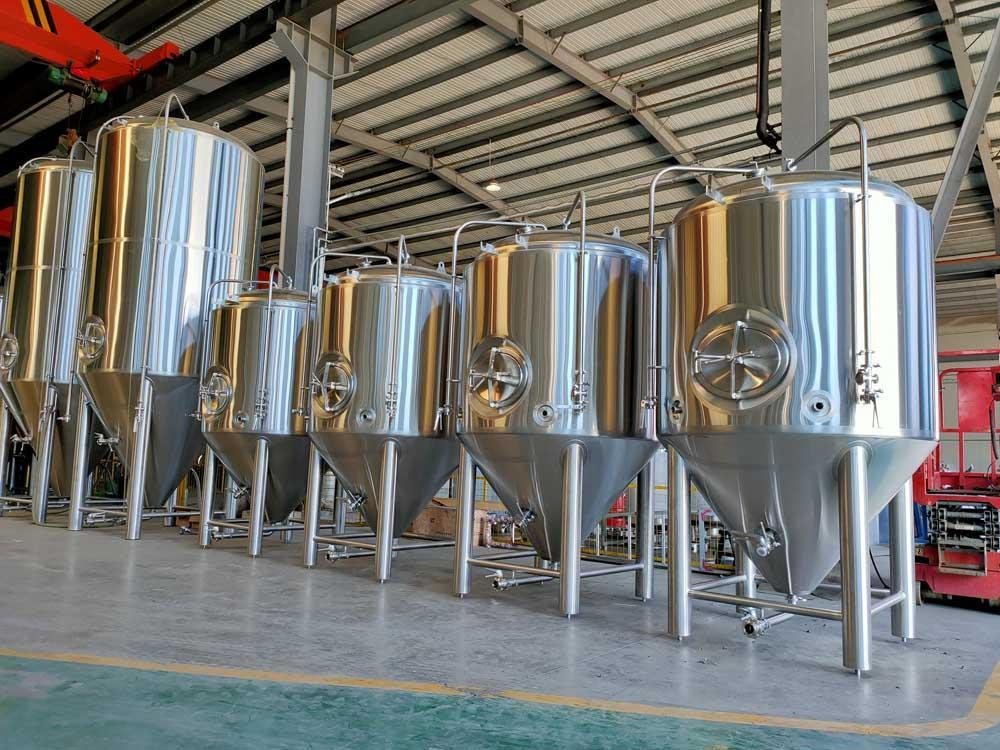
Step 1: Material Selection
The process begins with selecting high-quality stainless steel, typically SUS304, which is widely used in beer fermentation tank production.
At this stage, manufacturers ensure:
- Material meets food-grade standards
- Surface quality is suitable for polishing
- Thickness matches design requirements
Material quality lays the foundation for the entire tank.
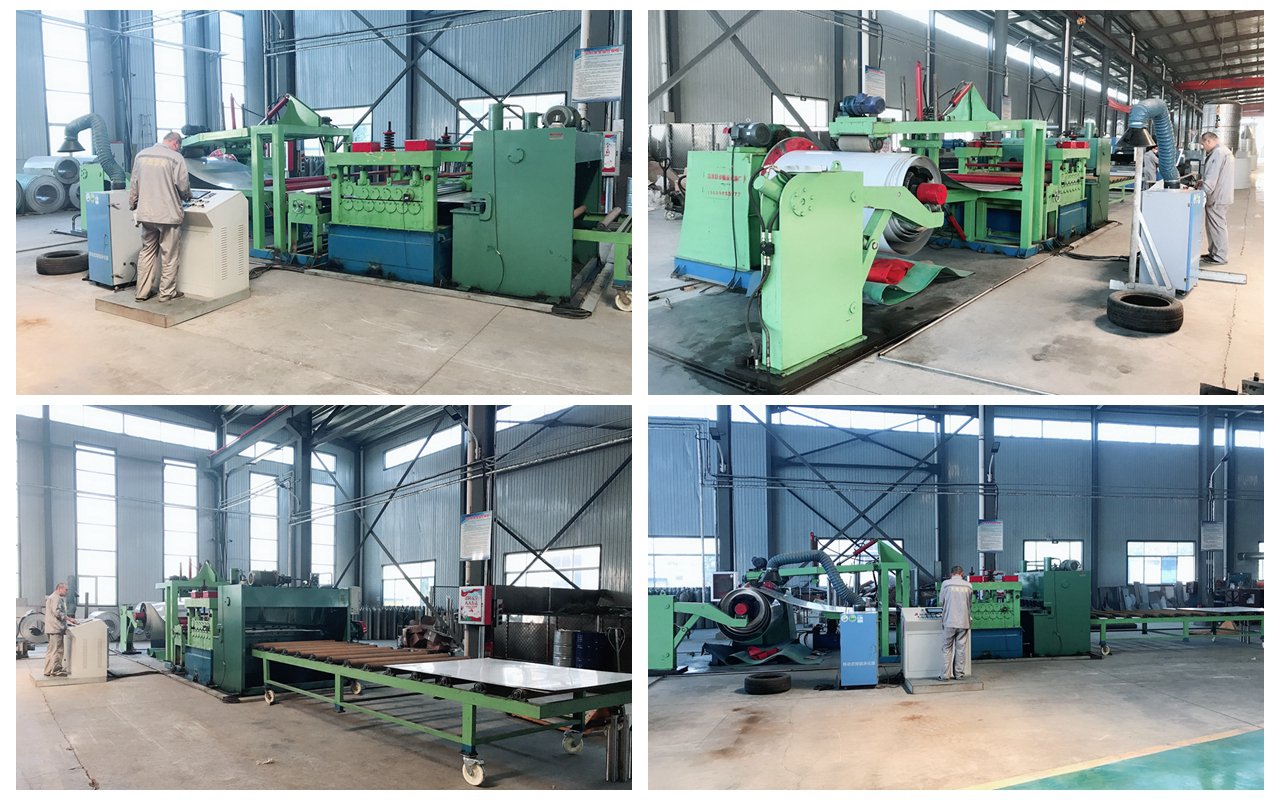
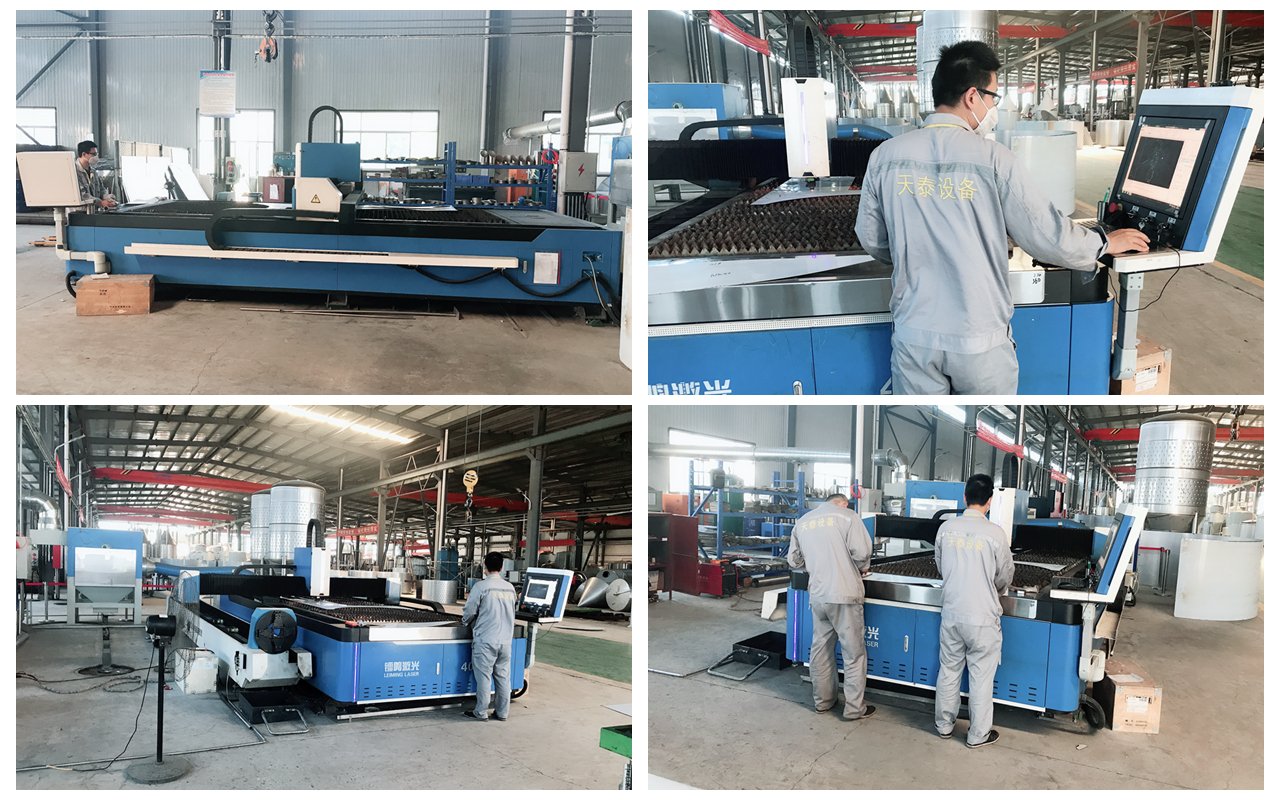
Step 2: Precision Plate Cutting
Once the material is selected, stainless steel plates are cut into specific shapes.
Modern manufacturers use laser cutting technology, which offers:
- High precision
- Smooth edges
- Minimal deformation
For a beer fermentation tank, accurate cutting ensures that all components fit perfectly during assembly, reducing welding defects and improving structural integrity.
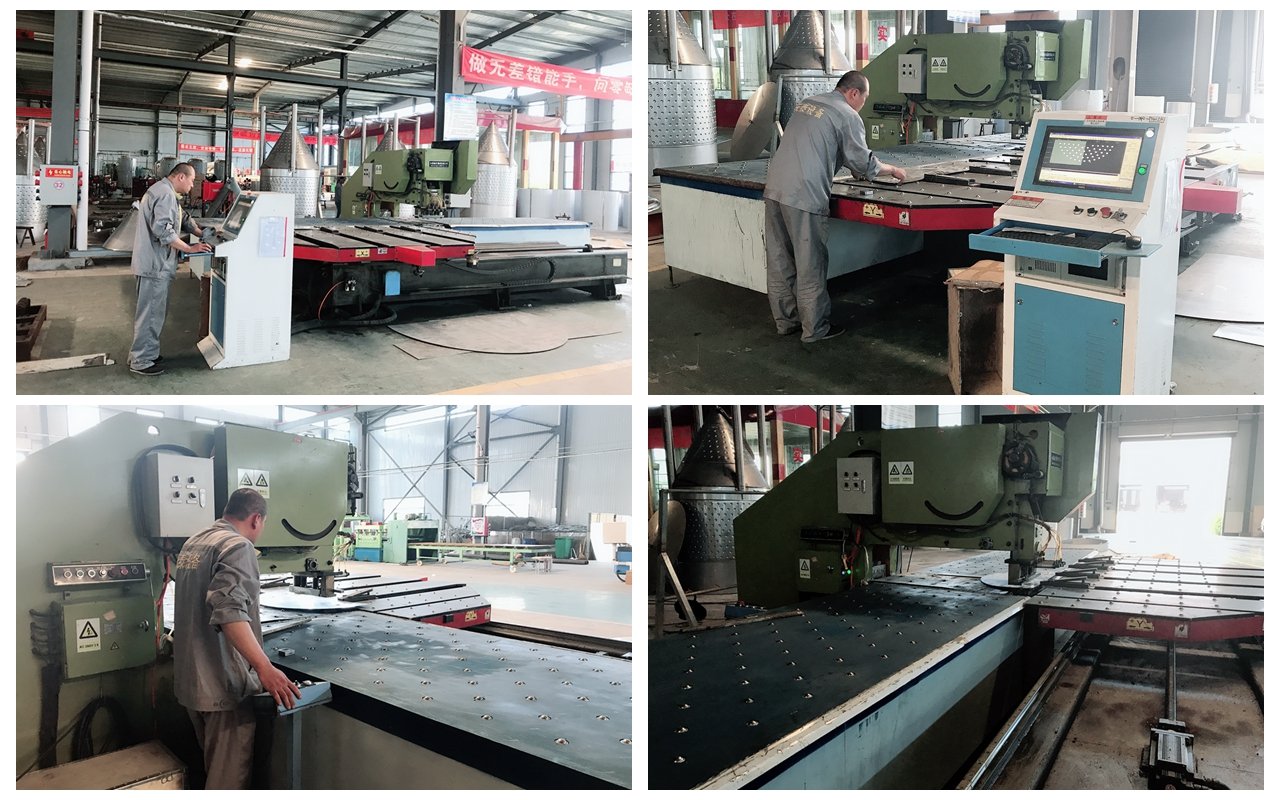
Step 3: Forming and Shaping
After cutting, the plates are formed into the required shapes, including:
- Cylindrical body
- Conical bottom
- Tank heads
For cooling systems, Miller plates (dimple plates) are formed using automated pressing machines. This ensures uniform patterns and consistent cooling performance across the beer fermentation tank surface.
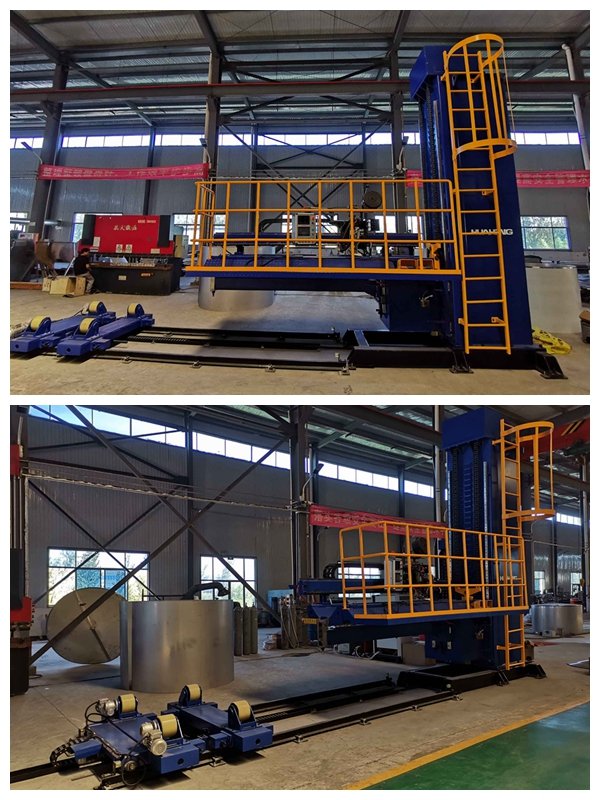
Step 4: Welding Process
Welding is one of the most critical steps in beer fermentation tank manufacturing.
High-quality tanks use:
- Automatic argon arc welding (TIG)
- Controlled welding parameters
- Consistent seam formation
Key advantages:
- Strong and leak-free welds
- Smooth internal surfaces
- Reduced risk of contamination
For pipelines, advanced processes such as single-side welding with double-side forming are often used to ensure both strength and hygiene.
Step 5: Surface Treatment and Polishing
After welding, the internal and external surfaces of the beer fermentation tank are treated to meet sanitary standards.
This includes:
- Acid pickling and passivation
- Internal polishing to Ra 0.2–0.4 μm
A smooth internal surface is essential because it:
- Prevents bacterial growth
- Eliminates dead zones
- Improves cleaning efficiency
This step has a direct impact on beer quality and safety.
Step 6: Assembly of Components
Once the main structure is complete, the beer fermentation tank is equipped with essential components:
- Cooling jackets
- Valves and piping
- CIP spray ball
- Temperature sensors (PT100)
- Pressure and safety valves
Each component is carefully installed to ensure compatibility and ease of operation.
Step 7: Pressure Testing and Quality Control
Before delivery, every beer fermentation tank must undergo strict testing.
Typical tests include:
- Tank body pressure test (e.g., 5 bar impact test)
- Pressure holding test (e.g., 48 hours)
- Cooling jacket pressure test
These tests ensure:
- No leakage
- Structural reliability
- Safe operation under working conditions
Quality control at this stage is essential to prevent problems during brewery operation.
Step 8: Final Inspection and Finishing
The final step includes:
- Visual inspection
- Surface finishing
- Cleaning and packaging
Only after passing all inspections is the beer fermentation tank approved for delivery.
At TIANTAI, each tank is carefully checked to ensure it meets both technical requirements and customer expectations.
Why Manufacturing Quality Matters
Even if two beer fermentation tank units look similar, differences in manufacturing quality can lead to:
- Hygiene issues
- Shorter lifespan
- Higher maintenance costs
This is why experienced manufacturers focus on every detail, from raw material selection to final testing.
👉 You can also explore how design affects performance:
Beer Fermentation Tank Design: Key Features Every Brewer Should Know
Final Thoughts
A beer fermentation tank is not just a piece of equipment—it is the result of multiple precise manufacturing steps working together.
From laser cutting to welding, polishing, and testing, each stage plays a role in ensuring the tank performs reliably over time.
For breweries, understanding this process helps in choosing equipment that not only meets current needs but also supports long-term growth.
🔗 Related Reading
- How to Choose the Right Beer Fermentation Tank Size
- Beer Fermentation Tank vs Brite Tank: What’s the Difference
- Common Problems in Beer Fermentation Tanks and Solutions
- Why Stainless Steel Beer Fermentation Tanks Are the Industry Standard
If you are looking for a reliable beer fermentation tank manufacturer with strong production capabilities and consistent quality standards, TIANTAI provides practical solutions based on real brewing needs.
From design to manufacturing, our team focuses on delivering equipment that supports stable performance and long-term brewery success.
Edit by Jane
Sales/Project Manager
E: gbrewing@cnbrewery.com