
Basic Introduction to Plate Heat Exchanger
In modern beer brewing production, rapid and stable wort cooling is a key step to ensure brewing efficiency and beer quality. The plate heat exchanger is the most widely used wort cooling equipment in various breweries, whether for small craft breweries or large industrial production lines.
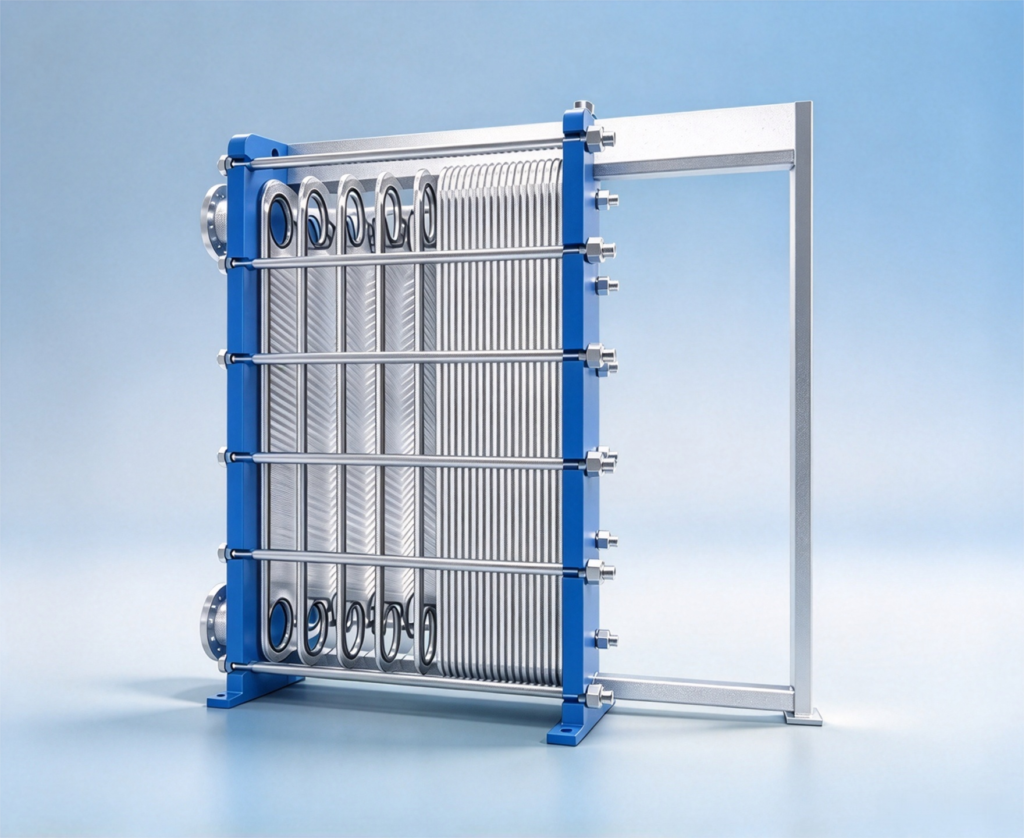
It features a simple and practical structure, composed of a group of stacked metal plates with uniform grooves on both sides. During operation, hot wort and cooling water flow alternately through the groove channels of the metal plates. Through continuous heat exchange between the two liquids, the high-temperature wort is quickly cooled to the temperature required for fermentation.
With high heat exchange efficiency, small floor space and stable working performance, this equipment has become standard cooling equipment for beer wort preparation.
Strict Sterilization Before Cooling Operation
Sterilization work is the primary prerequisite before using the plate heat exchanger for wort cooling, which directly affects the microbial safety of wort. The internal pipelines and plate gaps of the heat exchanger are easy to breed bacteria and retain residual impurities.
Therefore, thorough sterilization must be carried out before each cooling operation. The standard sterilization method is to circulate hot water above 80°C inside the wort pipeline. The hot water circulation time shall not be less than 30 minutes to completely eliminate miscellaneous bacteria in the pipeline.
Effective pre-sterilization can avoid microbial contamination of fresh wort, prevent abnormal fermentation and off-flavors, and lay a safe foundation for subsequent brewing work.
Precise Temperature and Time Control During Cooling
Temperature stability and cooling duration are core factors affecting wort quality. In the whole wort cooling process, operators need to constantly monitor the temperature data of the equipment inlet and outlet.
By adjusting the pipeline valve to control the liquid flow rate, the wort outlet temperature must be stably controlled within the process standard range of ±0.5°C. Too high or unstable temperature will affect the activity of subsequent yeast fermentation, while too low temperature will cause material waste and reduce production efficiency.
In addition, the whole wort cooling time must be strictly controlled within 60 minutes. Excessively long cooling time will not only reduce the utilization efficiency of the whirlpool tun, but also lead to oxidation and quality decline of wort, affecting the overall brewing effect.
Regular Disassembly and Cleaning to Maintain Heat Exchange Efficiency
Long-term continuous use will cause different degrees of dirt accumulation on the plate surface of the heat exchanger. A variety of substances contained in the wort, such as cold trubs, hop resins and protein precipitates, will gradually adhere to the grooves and surfaces of the metal plates.
These attachments will block the liquid flow channels, reduce the heat exchange speed, and seriously affect the cooling efficiency of the equipment. Therefore, regular disassembly and manual cleaning of the heat exchanger plates are essential daily maintenance work.
Timely removal of dirt and residual attachments can keep the plate surface clean, ensure stable and efficient heat exchange performance of the equipment, and extend the service life of the plate heat exchanger.
Reasonable Control of Pressure Difference to Protect Equipment
Pressure difference control is easily ignored in daily operation, but it is very important for equipment protection. During the operation of the plate heat exchanger, there is a certain pressure difference between the cooling water side and the wort side.
Operators must keep the pressure difference within the safe standard range. If the pressure difference is too high, it will cause irreversible deformation of the metal plates.
At the same time, it will squeeze and damage the sealing gaskets between the plates, resulting in reduced sealing performance, liquid leakage and other faults. Reasonable pressure difference control can avoid equipment damage, ensure the tightness and stability of the equipment, and reduce production failure rate and maintenance cost.
The plate heat exchanger is an indispensable key device in wort cooling work. Standardized operation and scientific maintenance can not only ensure stable wort quality and improve brewing efficiency, but also effectively protect the equipment and reduce production costs. Mastering the above operation precautions is the basis for standardized beer brewing production.