
Brewery water treatment is a critical step in the brewing process, as water composition directly affects mash pH, enzyme activity, yeast performance, and the final flavor of the beer. By properly adjusting mineral content and removing unwanted impurities, breweries can ensure consistent product quality and better control over the brewing process.
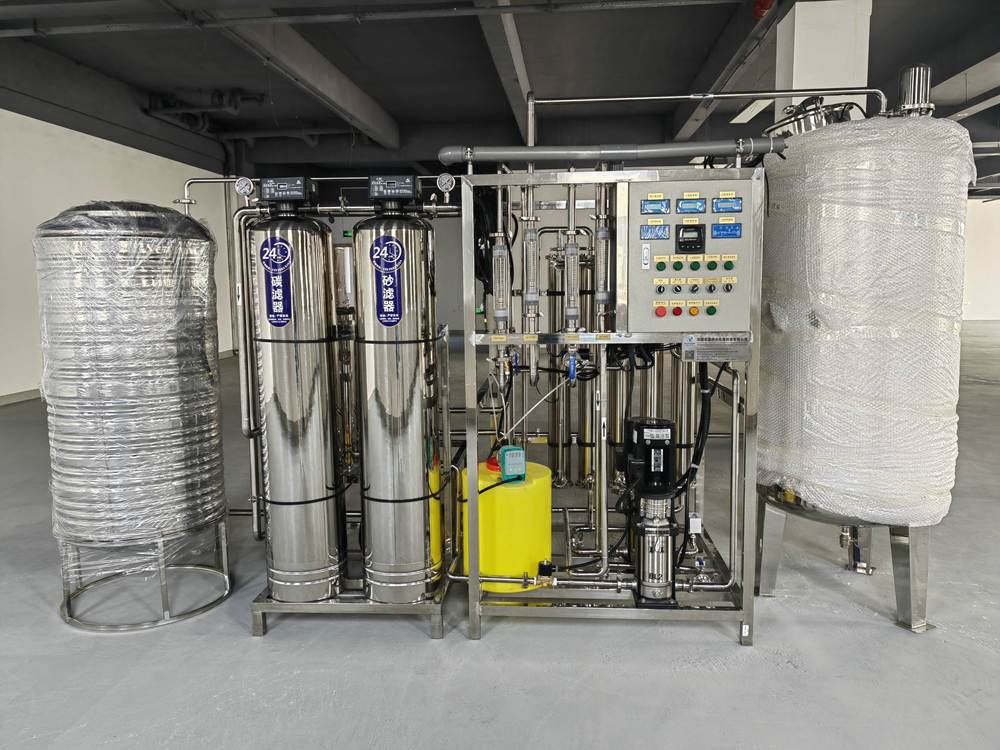
Why Brewery Water Treatment Matters
Water is one of the most important raw materials in brewing. The ions and minerals present in water can significantly impact beer quality:
- Calcium and magnesium help regulate mash pH and improve enzyme activity.
- Sulfates and chlorides influence beer bitterness, sweetness, and mouthfeel.
- Trace metals such as copper and zinc support yeast metabolism, but excessive heavy metals can inhibit yeast and cause turbidity.
Effective brewery water treatment ensures these factors are controlled, allowing breweries to produce beer with consistent taste, clarity, and stability.
Water Requirements for Brewing
To achieve optimal results, water used in brewing should meet the following criteria:
- Colorless, transparent, and free of suspended matter or sediment.
- Neutral taste and smell, refreshing when heated to 20–50 °C.
- Total dissolved salts between 150–200 mg/L.
- pH between 6.8–7.2 to ensure proper saccharification.
- Organic matter below 3 mg/L (measured by potassium permanganate consumption).
- Total hardness below 8°dH (light beer) or adjusted higher for dark beer.
- Iron content below 0.3 mg/L.
- Ammonium salts below 0.5 mg/L.
- Chloride content 20–60 mg/L.
- Silicate content below 30 mg/L to prevent micelle formation and turbidity.
- Total bacterial and E. coli counts should meet drinking water standards.
Common Brewery Water Treatment Methods
Breweries can use the following methods to adjust water chemistry and remove unwanted impurities:
- Boiling method: Decomposes soluble bicarbonates to reduce temporary hardness.
- Lime method: Removes temporary hardness, iron, manganese, and some organic matter.
- Acid method: Converts carbonate hardness to non-carbonate hardness and reduces residual alkalinity.
- Gypsum improvement: Adjusts sulfate and chloride levels to improve mash pH and flavor.
- Ion exchange: Uses resin to remove excessive ions that could negatively impact brewing.
- Electrodialysis: Desalination method to reduce unwanted minerals and impurities.
Through these methods, breweries can control mineral content, pH, and overall water quality, ensuring consistent brewing performance.
In general, water treatment is very important for craft breweries. Through reasonable water treatment, the ion concentration in the water can be controlled to ensure the quality and taste of the beer.
At Tiantai, we offer high-quality water treatment designed to meet the needs of breweries of all sizes. Contact us today to learn more about how our advanced brewing solutions can take your beer to the next level.
👤 Cassie
📧 tiantaibrewery@cnbrewery.com