In the beer production process, the grinding process directly affects the mashing efficiency, wort quality and the flavor of the final beer. Many large breweries, such as Budweiser, Carlsberg, Heineken, etc., generally use wet grinding instead of traditional dry grinding. So, what are the advantages of wet grinding that make it the first choice for large-scale brewing?
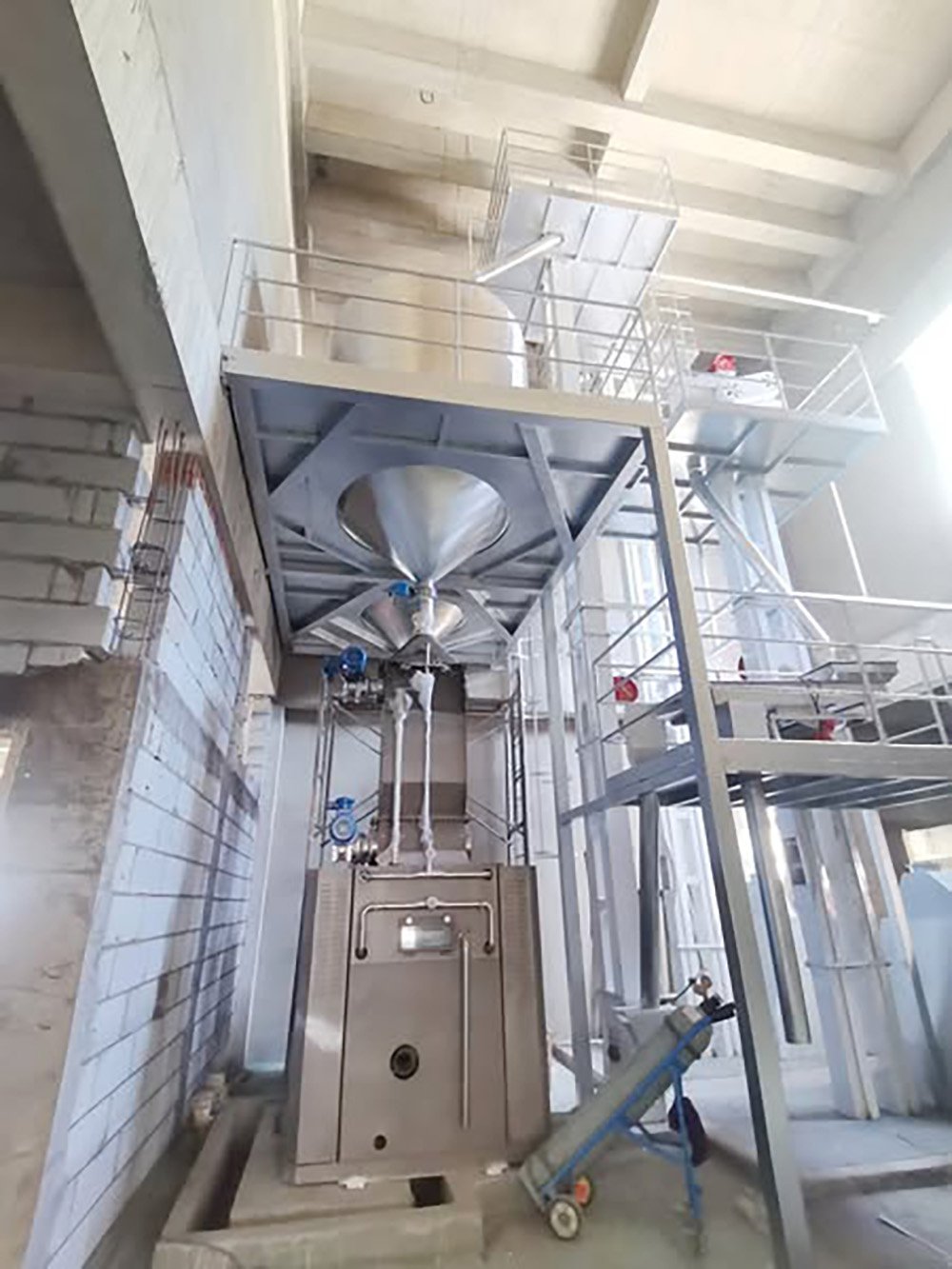
1. The core advantages of wet milling
(1) Higher saccharification efficiency and improved raw material utilization
✅ More exposure of starch: After soaking, the malt softens, the endosperm is easier to break, and the starch granules are more fully released, which improves the saccharification yield (usually 1-2% higher than dry milling).✅ Reducing unconverted starch: Wet milling can more thoroughly destroy the malt cell wall, reduce residual starch during the saccharification process, and improve fermentation degree.
(2) Better integrity of husk and smoother filtration
✅ Reduce husk breakage: During wet milling, the toughness of the husk increases after absorbing water. The roller mill can more accurately break the endosperm and keep the husk intact, avoiding blockage during filtration.✅ Shorten filtration time: The intact husk forms a looser filter layer, the wort flow rate is faster, and the production efficiency is improved.
(3) Reduce oxidation risk and extend the shelf life of beer
✅ Reduce malt contact with oxygen: During dry milling, the malt powder is exposed to the air, which is prone to fat oxidation (producing cardboard taste). Wet grinding is carried out after soaking, with less oxygen contact and more stable beer flavor.✅ Suitable for high-freshness beer: For beer that is sensitive to oxidation, such as IPA and lager, wet grinding can better preserve the hop aroma and malt flavor.
(4) Dust-free, more environmentally friendly and safer
✅ Improve the working environment: Dry grinding is prone to dust, which affects the health of workers and increases the risk of explosion (malt dust is flammable). Wet grinding is almost dust-free and more in line with the EHS (environment, health and safety) standards of modern factories.✅ Reduce equipment wear: Dust will accelerate the wear of mechanical parts, and wet grinding can extend the life of equipment.
(5) High degree of automation, suitable for large-scale production
✅ Compatible with continuous saccharification system: Wet grinding can be integrated into the automated saccharification system to achieve seamless connection from grinding to saccharification and improve production stability.✅ Reduce manual intervention: Dry grinding requires frequent adjustment of roller spacing to adapt to different malts. The soaking and softening of wet grinding makes the grinding more uniform and reduces the need for adjustment.
2. Why do small and medium-sized breweries still use dry grinding?
Despite the obvious advantages of wet grinding, dry grinding is still widely used in craft and small breweries. The main reasons include:**Low initial investment: wet grinding requires soaking tanks, temperature control systems, etc., and the equipment cost is high.
**High flexibility: dry grinding can adjust the degree of grinding at any time, which is suitable for multi-variety and small batch production.
**Simple maintenance: The wet grinding system is complex and has higher requirements for water quality and temperature control.
Wet milling is the future trend of large-scale brewing
For large breweries, wet grinding has high mashing efficiency, low oxidation risk, excellent filterability and environmental protection, making it a better choice. Although the initial investment is high, in the long run, it can improve raw material utilization, reduce losses, and produce more stable high-quality beer.
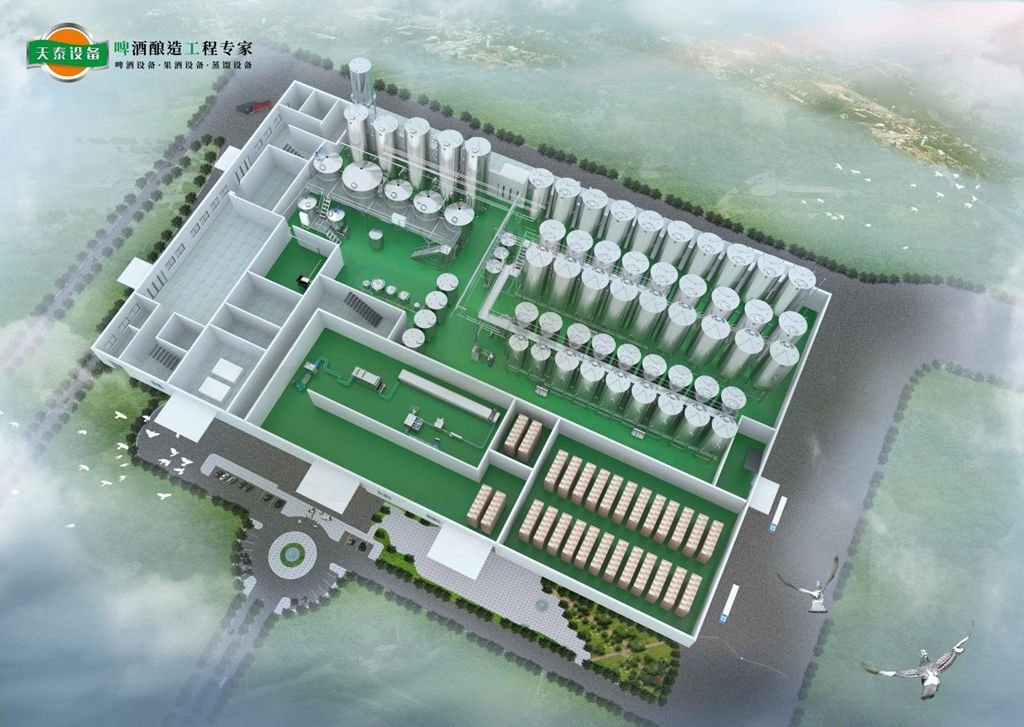
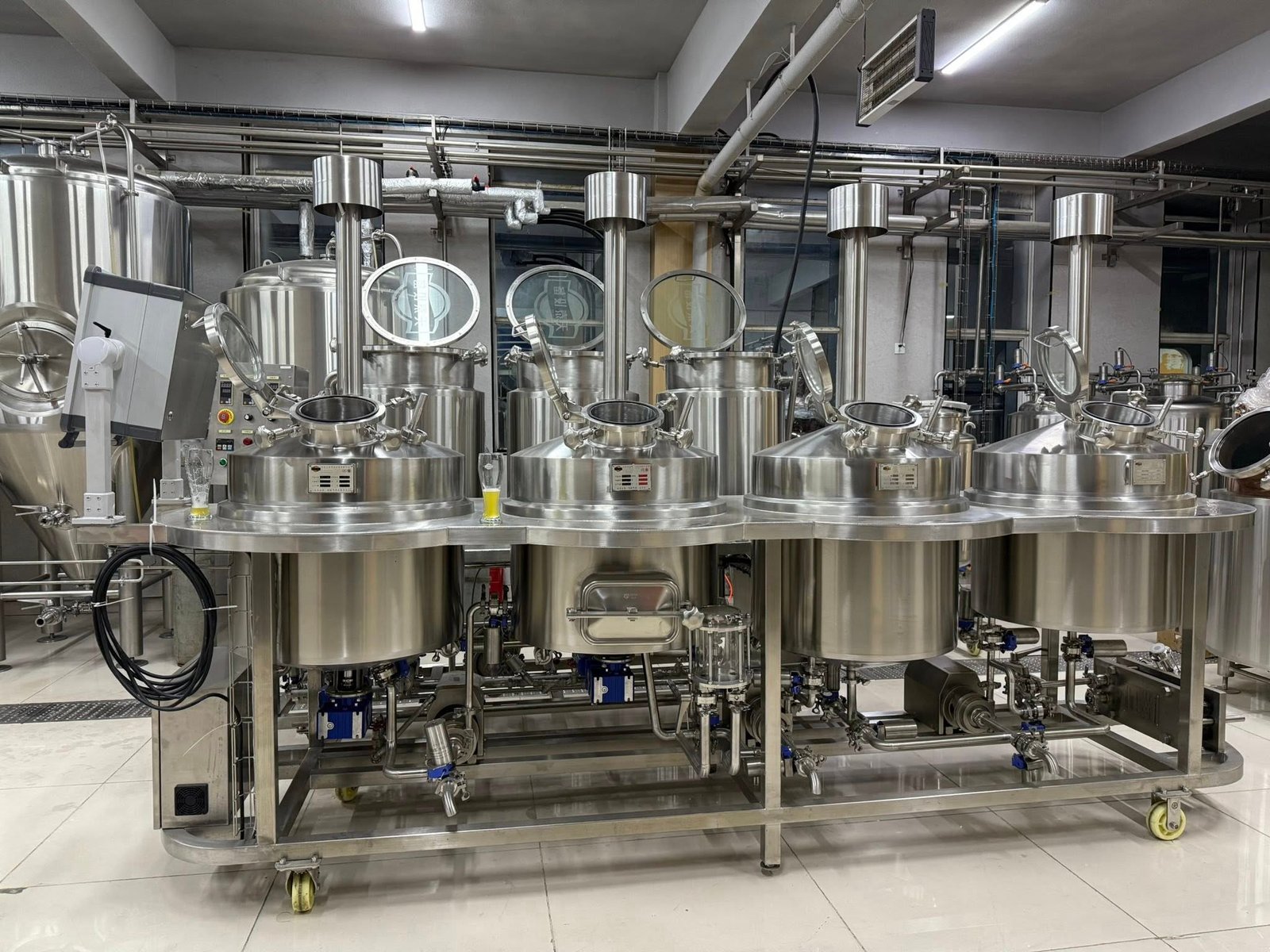
If you are planning or upgrading a brewery, Tiantai can provide you with a complete turnkey solution, from grinding system to finished beer, to help you achieve efficient, stable and sustainable production!
Edited by Cassie
Email:tiantaibrewery@cnbrewery.com
.jpg)
.jpg)
.jpg)
Get A Quote