
A yeast propagation system is designed to cultivate and expand yeast cells under controlled conditions, ensuring the required quantity and quality for applications such as brewing, baking, winemaking, and biotechnology. By carefully managing the growth environment, the system helps achieve high yeast viability, purity, and consistency.
As a trusted manufacturer of brewing equipment, Tiantai offers complete, turnkey yeast propagation solutions tailored to different production needs.
What Is a Yeast Propagation System?
In modern fermentation industries, yeast quality plays a critical role in determining final product performance. A propagation system provides a controlled environment where yeast cells can multiply efficiently while maintaining their health and activity. This ensures reliable fermentation and consistent product outcomes.
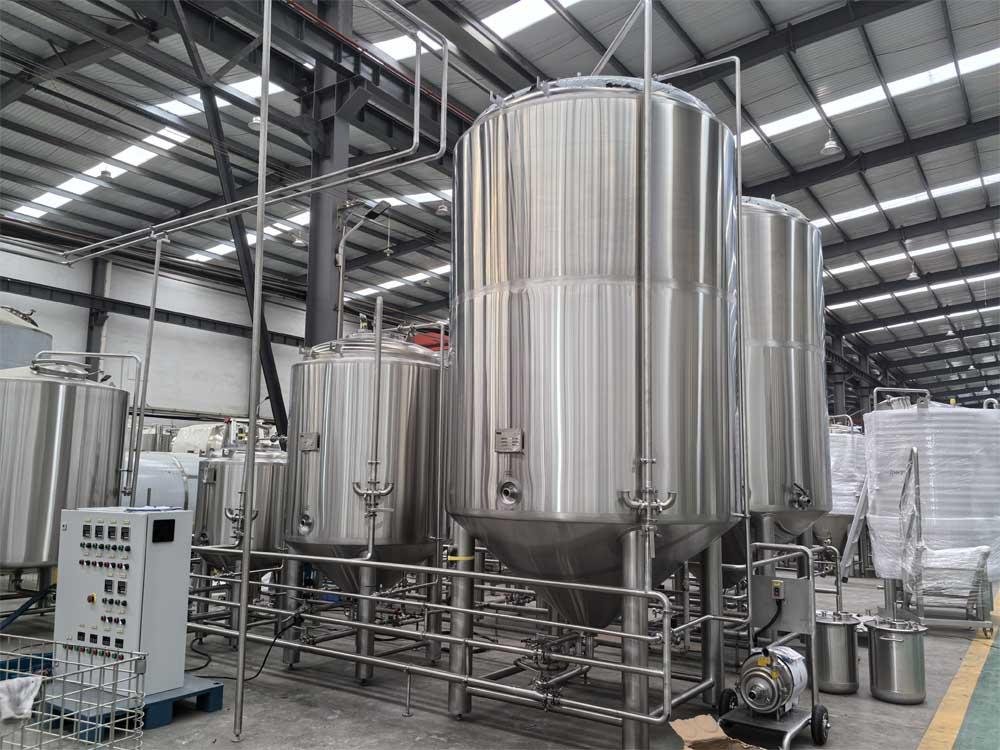
Core Components of a Yeast Propagation System
1. Starter Culture
The process begins with a high-quality, contamination-free yeast strain.
Different applications require different yeast types—for example, ale yeast versus lager yeast in brewing—so strain selection is essential.
2. Propagation Vessels
These are typically stainless steel tanks or fermenters designed for hygienic operation.
Capacity can be customized based on brewery scale and production requirements, while aseptic design minimizes contamination risks.
3. Nutrient Supply
Yeast requires a nutrient-rich medium to grow effectively.
This usually includes sugars (such as malt extract or molasses), amino acids, vitamins, and minerals. The exact composition depends on the yeast strain and its intended application.
4. Aeration System
Oxygen is introduced during the growth phase to support aerobic metabolism.
Proper aeration promotes strong cell membrane development and improves yeast vitality and reproduction efficiency.
5. Temperature Control
Maintaining the right temperature is crucial for yeast activity.
Most yeast strains grow best within a range of 20–30°C, and precise temperature regulation ensures stable and predictable performance.
6. pH Monitoring and Control
The system maintains an optimal pH level, typically between 4 and 5.
This range supports yeast activity while helping to suppress unwanted microbial growth.
7. Agitation (Optional)
Although not always required, gentle mixing can improve nutrient and oxygen distribution throughout the medium, resulting in more uniform yeast growth.
8. Sterilization and Cleaning
Proper sanitation is essential to avoid contamination.
Equipment is sterilized before use, and many systems are equipped with CIP (Clean-in-Place) functionality for efficient and thorough cleaning.
9. Monitoring and Automation
Modern systems integrate sensors and control units to monitor key parameters such as temperature, pH, dissolved oxygen, and cell density in real time.
Automation improves consistency, reduces manual labor, and enhances overall process reliability.
Complete Solutions from Tiantai
If you are looking for a reliable yeast propagation system, Tiantai can provide fully customized solutions based on your specific production needs.
In addition to yeast propagation equipment, we also supply complete systems for:
- Brewing
- Distilling
- Winemaking
- Cider production
- Kombucha processing
Our offerings include fermenters, brewhouses, glycol cooling systems, control systems, CIP units, filling lines, pasteurization equipment, and filtration systems—delivering a true turnkey solution.
Contact Us
If you have any questions or would like more information, please feel free to get in touch. We are always happy to support your project.
Abby
Sales Manager
📧 gbrew@cnbrewery.com
Tiantai Beer Equipment