
As the demand for sour beer continues to grow, breweries are placing higher requirements on process control, hygiene, and equipment reliability. Compared with traditional brewing systems, sour beer equipment must meet stricter standards—especially during wort cooling and handling.
Among various solutions, the tubular heat exchanger has become an increasingly popular choice for breweries looking to improve performance and reduce contamination risks.
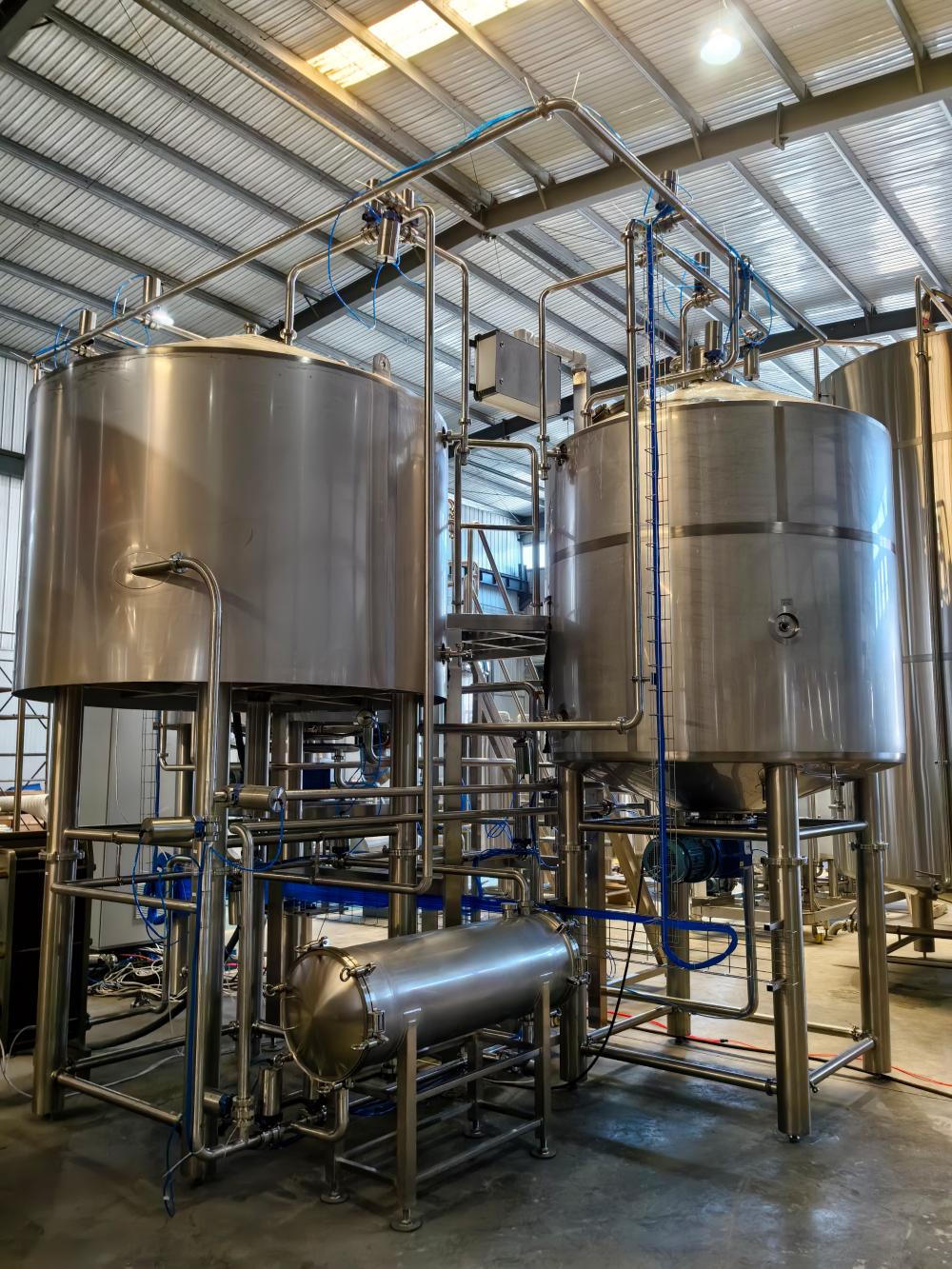
Why Wort Cooling Matters in Sour Beer Equipment
In sour beer production, wort cooling is not just about temperature reduction—it directly impacts microbial activity and final flavor.
Lactic acid bacteria such as Lactobacillus require a controlled environment to function properly. Any instability during cooling may affect acidification efficiency or even introduce unwanted microorganisms.
This makes wort cooling a critical step in the design of reliable sour beer equipment.
Limitations of Traditional Plate Heat Exchangers
Plate heat exchangers are widely used in standard brewing systems, but they may not always be ideal for sour beer applications.
Some common concerns include:
- Complex internal structure with multiple gaskets
- Potential dead zones where bacteria can accumulate
- Increased risk of cross-contamination between batches
For breweries producing both regular and sour beers, these issues can affect overall product consistency and safety.
How Tubular Heat Exchangers Improve Sour Beer Equipment
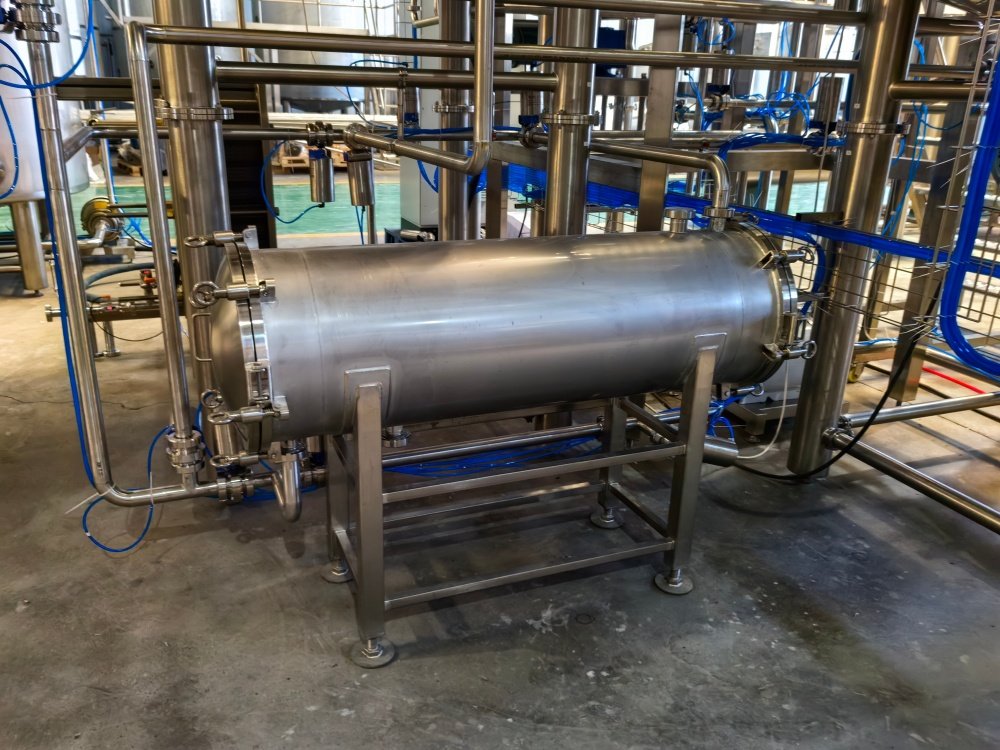
A tubular heat exchanger uses a simple tube-in-shell design, allowing hot wort and cooling media to exchange heat without direct contact.
This design offers several advantages when integrated into sour beer equipment:
1. Superior Hygiene Design
With fewer internal crevices and no gasket plates, tubular heat exchangers are easier to clean and sanitize through CIP systems.
This helps reduce bacterial residue and ensures a higher level of hygiene—essential for sour beer production.
2. Reduced Risk of Cross-Contamination
For breweries managing multiple beer styles, contamination control is a major concern.
Tubular heat exchangers provide a more secure and isolated heat transfer process, making them a safer choice for mixed production environments.
3. Stable and Controlled Cooling
Compared with plate systems, tubular heat exchangers offer a smoother and more stable cooling curve.
This is particularly beneficial for sour beer, where temperature consistency plays a key role in microbial performance and flavor development.
4. Better Handling of High-Solid Wort
Some sour beer styles include fruit additions or higher solid content.
Tubular heat exchangers are less prone to clogging and can handle such conditions more effectively, improving overall system reliability.
Ideal Applications in Sour Beer Equipment
Tubular heat exchangers are especially suitable for:
- Kettle sour beer production
- Breweries producing both sour and standard beers
- Systems requiring high sanitation standards
- Wort with fruit or solid additions
Conclusion: A Smart Upgrade for Sour Beer Equipment
As sour beer production becomes more advanced, choosing the right equipment is essential for maintaining quality and consistency.
Integrating a tubular heat exchanger into your sour beer equipment can significantly improve wort cooling performance while minimizing contamination risks.
For breweries aiming to scale up sour beer production or enhance process control, this upgrade offers a practical and reliable solution.
If you are planning to upgrade your sour beer equipment or explore more efficient brewing solutions, feel free to contact us. Our team is happy to provide customized system designs based on your production needs.
👤 Cassie
📧 tiantaibrewery@cnbrewery.com