
Cleaning your brewery system after brewing is an essential step that ensures the quality of your beer, extends the lifespan of your equipment, and maintains a safe brewing environment. Proper cleaning can prevent contamination, off-flavors, and spoilage, making it crucial to establish a thorough cleaning routine. Here, we’ll delve into best practices for cleaning your brewery system, important considerations, and tips for effective maintenance.
1. The Importance of Cleaning
Before diving into the specifics of cleaning, it’s important to understand why this process is vital. Brewing is an intricate process that involves various ingredients, equipment, and conditions. Residues from malt, hops, yeast, and other additives can accumulate in your system, potentially leading to bacterial growth and unwanted flavors in your next batch.
Regular cleaning helps to:
Prevent Contamination: Bacteria and wild yeast can thrive in residual residues, altering the taste and quality of your beer.
Ensure Equipment Longevity: Regular maintenance prevents corrosion and wear, ultimately extending the life of your brewing equipment.
Maintain Hygiene: A clean brewing environment reduces the risk of foodborne illnesses and ensures compliance with health regulations.
2. Cleaning Steps for Your Brewery System
Cleaning your brewery system typically involves several key steps:
Step 1: Gather Your Supplies
Before you begin, make sure you have all the necessary cleaning supplies on hand. Common items include:
**Cleaning agents: Alkaline cleaners, acid cleaners, and detergents suitable for brewing equipment.
**Sanitizers: Chemicals like iodine or quaternary ammonium compounds.
**Scrubbing tools: Brushes, sponges, and cloths designed for brewery cleaning.
**Personal protective equipment (PPE): Gloves, goggles, and aprons to protect yourself from harsh chemicals.
Step 2: Rinse Immediately
After brewing, rinse your equipment immediately with hot water to remove any loose debris and residues. This step is crucial as it helps to prevent any residues from drying and sticking to the surfaces.
Step 3: Clean All Components
Each component of your brewery system requires specific attention:
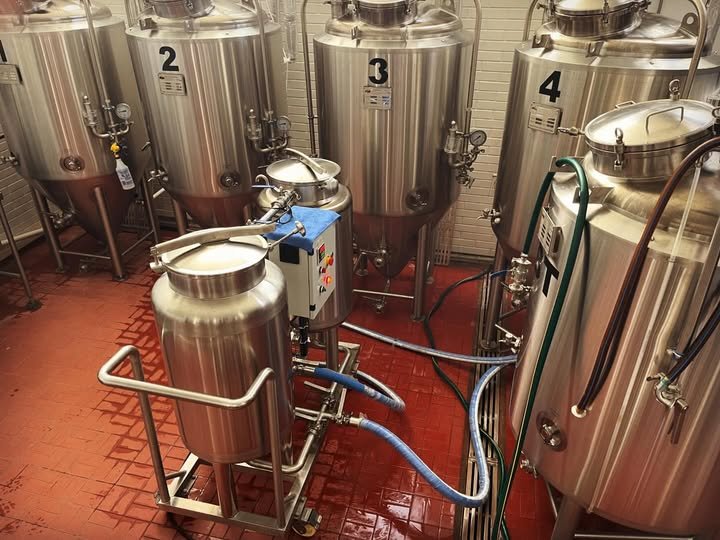
**Fermenters: Use a cleaning solution that is effective yet safe for the materials. Scrub the interior surfaces thoroughly and pay extra attention to the trub (yeast sediment) at the bottom.
**Brewhouse: Clean the mash tun, kettle, and other brewhouse components using a combination of scrubbing and soaking in a suitable cleaner.
**Pipes and Hoses: Use a cleaning wand or pump to circulate cleaning solutions through all hoses and pipes, ensuring that all surfaces are in contact with the cleaner.
Step 4: Rinse Again
After scrubbing, rinse all components thoroughly with clean water. Residual cleaning agents can affect the flavor of your beer, so ensuring all traces are removed is essential.
Step 5: Sanitize
Once everything is clean, it’s time to sanitize. Use a suitable sanitizer to treat all surfaces, ensuring they are properly disinfected before the next brewing process. Follow the manufacturer’s instructions for contact time and concentration.
Step 6: Dry and Store
Allow all components to dry completely before reassembling your brewery system. This helps prevent moisture-related issues and ensures that equipment is ready for future use.
3. What Should Be Paid Attention To?
While the steps above outline the basic cleaning process, several factors require careful attention to ensure effective cleaning:
**Use the Right Cleaners: Choose cleaning agents specifically designed for brewery equipment. Harsh chemicals may damage surfaces or leave residues that can impact your beer.
**Temperature Matters: Cleaning solutions work more effectively at elevated temperatures. Use hot water when rinsing and cleaning whenever possible.
**Check for Residues: Inspect all equipment for any leftover residues, particularly in hard-to-reach areas. Use inspection mirrors or cameras if necessary.
**Regular Maintenance: Incorporate regular maintenance checks into your cleaning routine to identify any wear or damage to equipment that could affect performance.
**Record Keeping: Maintain a log of your cleaning processes, including dates, methods used, and any observations. This can help track potential issues over time and refine your cleaning routine.
4. Tips for Effective Brewery Cleaning
To enhance your cleaning process, consider the following tips:
**Develop a Cleaning Schedule: Establish a routine cleaning schedule tailored to your brewing frequency. Regular cleaning helps maintain a consistent level of hygiene and efficiency.
**Train Your Staff: Ensure all staff members are trained in proper cleaning techniques and understand the importance of sanitation in brewing.
**Invest in Equipment: Consider investing in cleaning equipment, such as automated cleaning systems, to streamline the process and improve efficiency.
**Use Brewing Software: Leverage brewing software to schedule and track cleaning tasks, ensuring that no steps are overlooked.
**Stay Informed: Keep up with industry best practices and regulations regarding cleaning and sanitation. Attend workshops, read articles, and participate in brewing forums to stay updated.
Cleaning your brewery system after brewing is not just a task; it’s a vital part of the brewing process that impacts the quality of your beer and the longevity of your equipment. By following a thorough cleaning routine, paying attention to important details, and implementing effective practices, you can ensure that your brewery operates at its best. Ultimately, a clean brewery is essential for producing high-quality beer that meets the expectations of your customers.
Invest time and resources into your cleaning process, and it will pay off with every batch you brew.
Any interested information about CIP system or brewery equipment, please feel free to contact us. We would be more than happy to do our best to support you.
👤 Cassie
📧 tiantaibrewery@cnbrewery.com