
Can Reverse Osmosis (R/O) Water Be Used in a Steam Boiler?
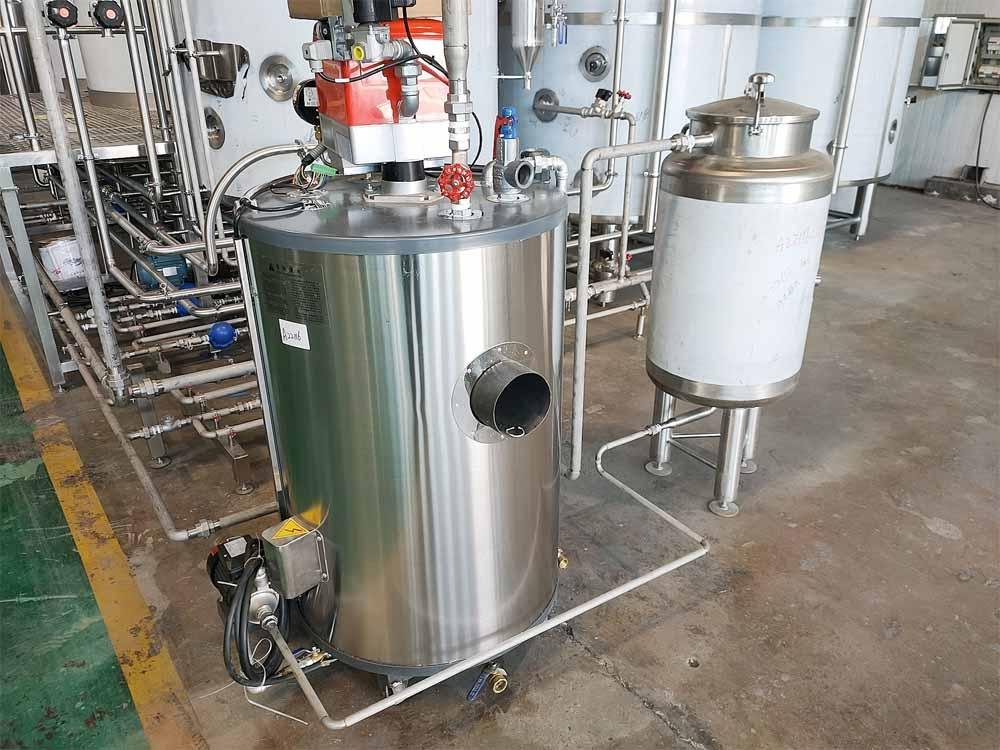
A steam boiler is a pressure vessel that heats water to generate steam for industrial and commercial use. Steam plays an important role in many sectors, including food and beverage production, brewing, sterilization, chemical processing, and manufacturing.
Water quality is one of the most important factors affecting boiler performance and service life. Many operators ask whether reverse osmosis (R/O) water can be used in boiler systems.
In general, R/O water can be used for boilers, but the system must be carefully managed in terms of water chemistry, equipment compatibility, and operating conditions.
Advantages of Using R/O Water in Boilers
1. Low Dissolved Solid Content
Reverse osmosis technology removes most dissolved minerals and impurities from water. This significantly reduces the risk of scale formation inside boiler tubes and heating surfaces.
Scale buildup is a common problem in steam systems because it reduces heat transfer efficiency and may increase energy consumption.
2. Improved Thermal Efficiency
Cleaner water helps maintain smooth heat exchange inside the boiler. When scaling and sediment are minimized, the heating process becomes more efficient, supporting stable steam production.
3. Lower Corrosion Risk from Salts
Many corrosion problems are caused by dissolved salts and contaminants in untreated water. R/O water reduces these risks by removing most ionic substances.
Potential Challenges When Using R/O Water
Although R/O water is cleaner, it is also chemically less stable because essential minerals are removed.
1. Corrosive Characteristics
R/O water is sometimes described as “mineral-hungry” water. Without proper treatment, it may accelerate corrosion of metal components inside the boiler and piping system.
2. pH Balance Requirements
Reverse osmosis water often has slightly lower alkalinity. To protect boiler materials, pH adjustment or chemical conditioning may be necessary.
3. Dissolved Oxygen Control
If oxygen is not removed through proper deaeration, dissolved oxygen can promote oxidation and corrosion inside the steam system.
4. Operational Cost Considerations
Installing and maintaining an R/O treatment system adds equipment and operating costs. However, these costs may be offset by improved boiler lifespan and efficiency.
Recommended Water Management Strategy
For stable boiler operation, R/O water is often used together with additional water treatment measures, such as:
-
Chemical conditioning for corrosion protection
-
Oxygen removal or deaeration treatment
-
Regular monitoring of conductivity and pH values
Proper maintenance is essential for long-term reliability.
Professional Turnkey Equipment Support
Tiantai Brewery Equipment provides complete turnkey solutions for brewing, distillation, winery, and fermentation equipment. Our engineering team helps clients select suitable water treatment and steam system configurations based on production scale and process requirements.
If you are planning to use R/O water in your boiler system or need technical recommendations for your facility, please contact us for a customized proposal.
From equipment design to installation guidance, Tiantai is committed to delivering reliable and efficient industrial processing solutions.
Sales Manager: Abby Wang
Email: gbrew@cnbrewery.com