
Choosing the right brewery equipment heating methods is a critical decision for any brewery. The heating system affects brewing efficiency, energy consumption, and the quality of your beer. At Tiantai Brewtech, we guide breweries in selecting the most suitable heating options for their brewhouse and production needs.
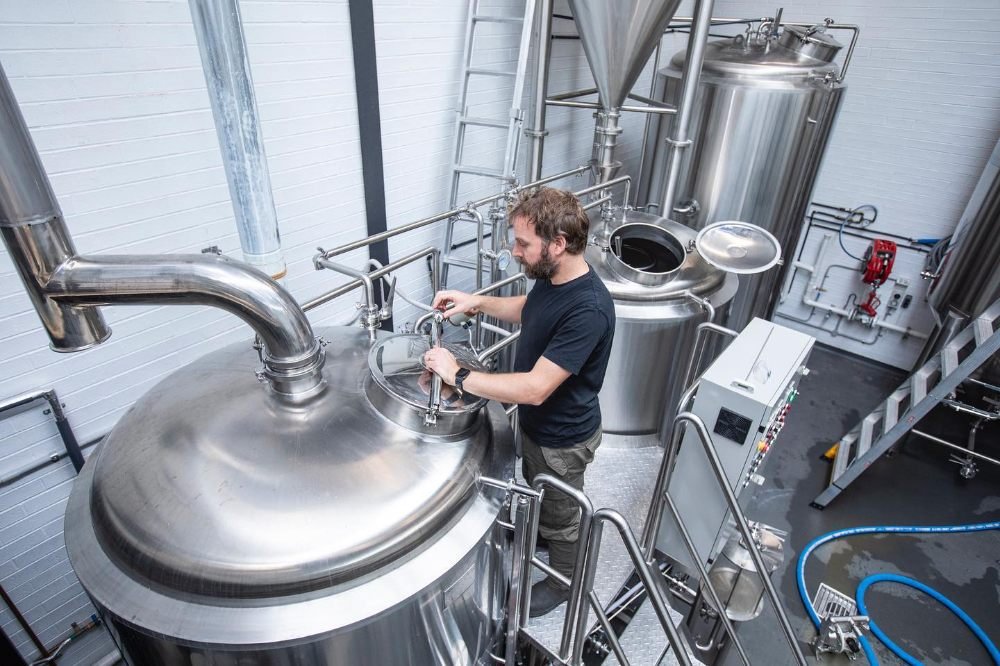
1. Overview of Brewery Equipment Heating Methods
Modern breweries typically use three main brewery equipment heating methods:
- Steam Heating – Steam jackets or coils provide efficient heat transfer, making them ideal for medium to large-scale breweries with high-volume brewhouses.
- Electric Heating – Electric elements allow precise temperature control, simple installation, and are often preferred in smaller breweries or pilot systems.
- Direct Fire Heating – Heat is applied directly under the kettle. This method provides fast heating and lower initial costs, suitable for small to medium breweries, though careful monitoring is required to avoid wort scorching.
2. Consider Your Brewery Size and Production Needs
Choosing the right heating method depends heavily on production scale:
- Nano or Microbreweries (50–500L) – Electric or direct fire heating is ideal for precision, low setup costs, and compact design.
- Medium to Large Breweries (500–5000L+) – Steam heating is more efficient for consistent, high-volume brewing.
3. Evaluate Energy Efficiency and Cost
Different brewery equipment heating methods vary in energy efficiency and operational cost:
- Steam Systems – High initial investment but efficient for continuous production, especially with a central boiler.
- Electric Systems – Lower upfront cost, simple operation, but may consume more electricity for large-scale production.
- Direct Fire Systems – Fast heating and cost-effective for smaller systems, but fuel cost and wort scorching risk should be considered.
4. Hygiene and Maintenance Considerations
Heating method selection also impacts hygiene and maintenance:
- Steam jackets integrate well with CIP systems, ensuring easy cleaning.
- Electric elements must be properly enclosed and compatible with CIP to maintain sanitary conditions.
- Direct fire kettles need careful cleaning to prevent caramelization residue and ensure proper sanitation.
5. Specialty Applications
Some beer styles or brewing processes may favor a specific heating method:
- Lagers and precision mashing – require gradual, stable heating → electric or steam preferred.
- High-volume IPA or stout production – steam heating ensures uniform temperature distribution.
- Rapid small-batch brewing – direct fire heating allows faster heat-up, suitable for limited production runs.
Selecting the right brewery equipment heating methods is a balance of brewery size, energy efficiency, precision, and cost. Steam, electric, and direct fire each offer distinct advantages depending on your production needs and beer styles. At Tiantai Brewtech, we provide expert guidance to ensure your brewhouse operates efficiently while producing high-quality beer.
Looking to upgrade or design your brewery heating system? Contact Tiantai Brewtech today for a customized solution tailored to your preferred brewery equipment heating methods, whether you choose steam, electric, or direct fire heating.
👤 Cassie
📧 tiantaibrewery@cnbrewery.com