
When setting up a brewery, one of the most common questions is the difference between a beer fermentation tank and a brite beer tank (BBT). While both are essential vessels in modern brewing, they serve very different purposes in the process.
Understanding how each beer fermentation tank and brite tank works will help you design a more efficient system and avoid costly mistakes.
What Is a Beer Fermentation Tank?
A beer fermentation tank is the vessel where wort is converted into beer through yeast fermentation. This is one of the most critical stages in brewing.
Inside a beer fermenter, yeast consumes sugars and produces:
-
Alcohol
-
Carbon dioxide
-
Flavor compounds
Because of this, fermentation tanks are designed to support:
-
Precise temperature control
-
Pressure regulation
-
Yeast management
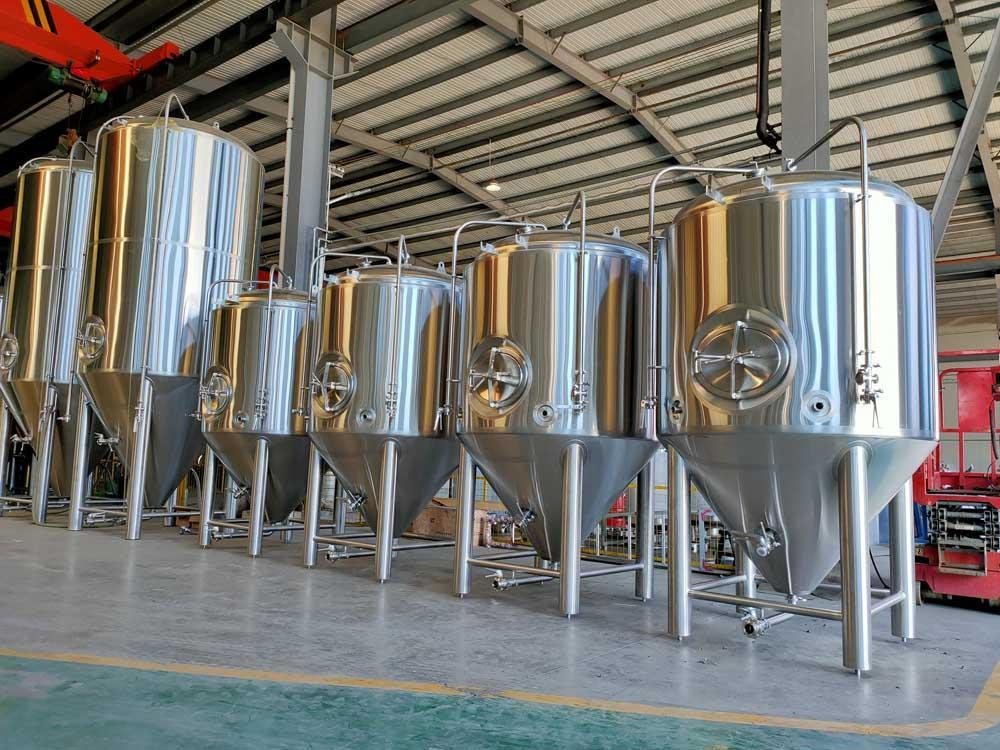
Most modern breweries use conical beer fermenter designs, which allow yeast to settle at the bottom for easy removal and reuse.
What Is a Brite Beer Tank?
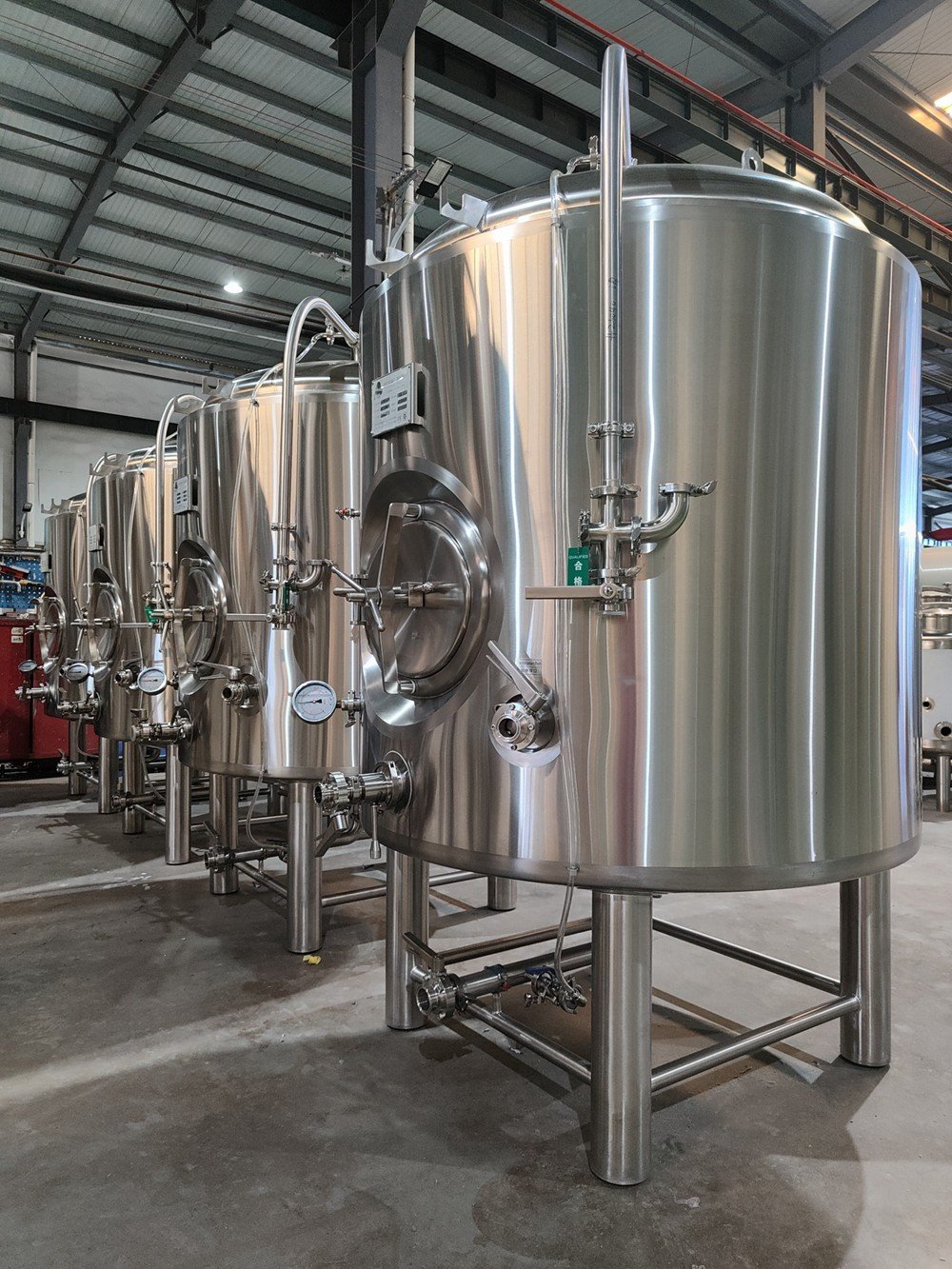
A brite beer tank, often called a BBT or brite beer system, is used after fermentation is complete.
Its main functions include:
-
Beer clarification
-
Carbonation
-
Storage before packaging
Unlike a beer fermentation tank, a brite tank is not designed for active fermentation. Instead, it is used to prepare the beer for final serving, bottling, or canning.
Key Differences Between Fermentation Tank and Brite Tank
Although both vessels may look similar, there are several important differences between them.
1. Function in the Brewing Process
-
Beer fermentation tank: Used for fermentation
-
Brite tank: Used for conditioning and storage
Fermentation tanks handle active biological processes, while brite tanks focus on finishing the beer.
2. Design and Structure
A typical beer fermenter includes:
-
Conical bottom for yeast collection
-
Cooling jackets for temperature control
-
Higher tolerance for fermentation pressure
A brite tank, on the other hand, is usually:
-
Flat-bottom or shallow cone
-
Designed for easy cleaning and transfer
-
Built for carbonation and serving pressure
3. Pressure Requirements
A beer fermenter operates under controlled pressure during fermentation, but pressure levels are generally moderate.
Brite tanks are specifically designed to:
-
Handle higher pressure
-
Maintain carbonation levels
-
Keep beer stable before packaging
4. Cooling and Temperature Control
Temperature control is critical in a beer fermentation tank, as yeast activity is highly sensitive to temperature changes.
Brite tanks also have cooling systems, but their purpose is different:
-
Maintain cold storage conditions
-
Stabilize beer before packaging
5. Role in Beer Quality
Both tanks influence beer quality, but in different ways.
A beer fermentation tank affects:
-
Flavor development
-
Alcohol content
-
Yeast performance
A brite tank affects:
-
Clarity
-
Carbonation level
-
Final presentation
Can a Fermentation Tank Replace a Brite Tank?
This is a common question, especially for small breweries.
In some cases, a beer fermentation tank can be used for conditioning and even carbonation. However, this approach has limitations:
-
Reduced production efficiency
-
Longer tank occupation time
-
Less control over final carbonation
For breweries aiming for consistent quality and higher output, using a dedicated brite tank is strongly recommended.
System Design Considerations
When planning a brewery, it is important to balance the number of beer fermentation tank units and brite tanks.
General suggestions:
-
More fermentation tanks for continuous production
-
Fewer brite tanks for finishing and packaging
The exact ratio depends on:
-
Beer styles (ales vs lagers)
-
Production volume
-
Packaging schedule
👉 If you are unsure how to size your system, you can refer to this guide:
How to Choose the Right Beer Fermentation Tank Size
Why Both Tanks Matter
A complete brewing system typically includes both beer fermentation tank units and brite tanks. Each plays a unique role in ensuring efficiency and product quality.
Skipping the brite tank may work for very small operations, but as production grows, the limitations become clear.
At TIANTAI, we often help breweries design balanced systems that combine fermentation capacity with proper conditioning and storage solutions.
Understanding the difference between a beer fermentation tank and a brite tank is essential for building an efficient brewery.
While the beer fermentation tank is responsible for transforming wort into beer, the brite tank ensures the final product is clear, carbonated, and ready for packaging.
Choosing the right combination of both will help breweries improve workflow, maintain quality, and scale production more effectively.
🔗 Related Reading
If you are planning a brewery and need help selecting the right beer fermentation tank and brite beer system configuration, TIANTAI can provide practical recommendations based on your production goals and layout.
Edit by Jane
Sales/Project Manager
E: gbrewing@cnbrewery.com